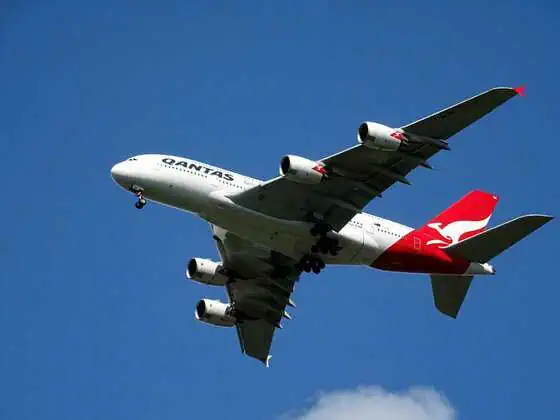
Airfare increases have been announced by Qantas Airways, Scandinavian Airlines (SAS) and Air New Zealand after a sharp spike in jet fuel prices linked to escalating tensions in the Middle East. The move highlights how rising energy costs are rapidly affecting airline operating expenses and global ticket pricing.
Disclosure: This article contains affiliate links. As an Amazon Associate, we earn from qualifying purchases. We may earn a commission at no extra cost to you.
Key Takeaways
- Qantas, SAS and Air New Zealand introduce airfare increases amid rising jet fuel costs.
- Jet fuel prices reportedly surged from about $85–$90 to as high as $200 per barrel.
- Air New Zealand increases fares across domestic, regional and long-haul routes.
- Airlines warn sustained fuel volatility could lead to further pricing adjustments.
Airlines Respond to Surging Fuel Costs
Several international carriers have introduced airfare increases after jet fuel prices surged in response to instability in the Middle East and resulting disruptions to global oil markets.
Australia-based Qantas Airways, Scandinavia’s Scandinavian Airlines (SAS), and Air New Zealand confirmed fare adjustments on Tuesday, citing sharply higher operating expenses tied to fuel.
Fuel is typically one of the largest costs for airlines, often representing a significant share of total operating expenditure. Rapid increases in oil prices can therefore have an immediate impact on airline margins and pricing strategies.
Industry estimates indicate jet fuel that previously cost around $85–$90 per barrel has surged to between $150 and $200, creating substantial financial pressure for carriers operating long-haul networks.
Airline Responses and Fare Adjustments
Qantas Airways
Qantas Airways confirmed that international airfares will rise as the airline absorbs higher fuel costs.
The Australian flag carrier is also reviewing aircraft deployment on long-haul routes, particularly services to Europe where demand remains strong. Adjustments may include operational changes to manage rising fuel consumption and airspace restrictions.
Further details about Qantas’ international network can be found on the airline’s official website (external link placeholder).
Scandinavian Airlines (SAS)
Scandinavian Airlines (SAS) said it has implemented temporary airfare increases across parts of its network.
According to the airline, the speed and scale of the jet fuel price spike left limited options for maintaining stable operations without adjusting ticket prices.
The carrier described the measure as a necessary response to volatility in global energy markets affecting aviation.
Air New Zealand Fare Changes
Air New Zealand has introduced specific fare increases across its network, including:
- NZ$10 increase on domestic one-way economy fares
- NZ$20 increase on short-haul international routes
- NZ$90 increase on long-haul services
The airline warned additional adjustments could follow if fuel prices remain elevated.
Air New Zealand also suspended its financial outlook for 2026, citing uncertainty around fuel costs and broader geopolitical developments.
Wider Aviation Industry Impact
The conflict has also created operational challenges beyond fuel pricing.
Airlines worldwide are navigating:
- Airspace restrictions in parts of the Middle East
- Longer flight paths due to rerouting
- Higher fuel consumption from extended flight times
These factors compound financial pressures by increasing both operational costs and scheduling complexity.
Aviation analysts also note that extended flight paths may make long-haul flight comfort tips increasingly relevant for passengers.
Airspace restrictions affecting commercial aviation are monitored by organisations such as the International Air Transport Association (IATA) and the International Civil Aviation Organization (ICAO).
Why It Matters
The introduction of airfare increases by multiple airlines underscores the aviation sector’s exposure to geopolitical shocks and energy market volatility.
Fuel costs are one of the few airline expenses that can rise sharply in short periods, leaving carriers limited time to adjust capacity, schedules, or pricing.
For travellers, this means ticket prices may fluctuate quickly when global oil markets are disrupted.
For airlines, the situation highlights ongoing strategic challenges:
- Managing profitability amid volatile fuel markets
- Maintaining network stability during geopolitical disruptions
- Balancing fare adjustments with passenger demand
If oil prices remain elevated, analysts say more airlines may introduce fare increases or reduce capacity in order to protect operating margins.
The developments demonstrate how geopolitical tensions can quickly ripple through the global travel economy, affecting both airline finances and passenger ticket prices.
Longer flight times due to rerouting may prompt travelers to review common air travel essentials before long-haul journeys.
This suitcase is also featured in our curated travel gear recommendations for frequent travelers.

At a Glance
Company / Brand:
- Qantas Airways
- Scandinavian Airlines (SAS)
- Air New Zealand
Industry: Aviation / Air Travel
Key Announcement:
Airfare increases introduced due to rising jet fuel prices.
Timeline:
Announced Tuesday following sharp increases in oil prices.
Strategic Purpose:
Offset higher operating costs and maintain financial stability amid fuel market volatility.
Also read Delta In-Flight Entertainment Features 2025 Oscar-Nominated Films Ahead of Academy Awards
