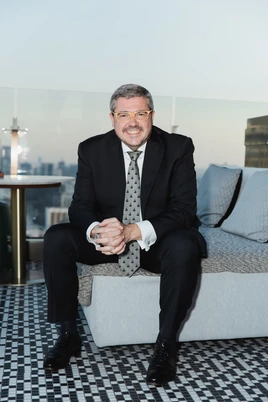
At the helm of Melia Pattaya, General Manager Javier Gimeno brings nearly three decades of international hospitality experience shaped by Spanish warmth, operational discipline, and global perspective. From his early career in Spain to leadership roles across diverse markets, his approach blends commercial strategy with cultural intelligence — a balance that defines both his management philosophy and the hotel’s positioning in one of Thailand’s most competitive destinations.
In this conversation, he discusses leadership, market evolution, sustainability, innovation, and what it takes to build long-term relevance in today’s hospitality landscape.
1. What first inspired you to pursue a career in hospitality?
When I was young, I watched a television program about hotels that genuinely fascinated me. It portrayed hotels not just as buildings, but as environments where culture, business, and human connection intersect. That left a strong impression on me.
I was always interested in business, but I also enjoyed working with people. Hospitality offered a unique combination of both — a commercially driven industry where emotional intelligence is just as important as financial performance.
2. How did your early experiences in Spain shape your approach to hotel management?
My early career in Spain instilled in me the importance of warmth and authenticity. Spanish hospitality is naturally expressive and guest-focused, but it also demands discipline and attention to detail.
I had mentors who emphasized that while metrics matter, we are fundamentally in the business of making people feel welcome and valued. That balance — operational excellence supported by genuine service — still defines my management approach today.
3. What key lessons from your international career have most influenced your leadership style?
Working across multiple countries taught me adaptability very quickly. Each market has its own expectations, labor culture, and guest behavior patterns.
I learned that global brand standards provide structure, but they must be applied with cultural intelligence. Empowering local teams while maintaining consistency has been one of the most important leadership lessons in my career.
4. What attracted you to the opportunity to lead Melia Pattaya?
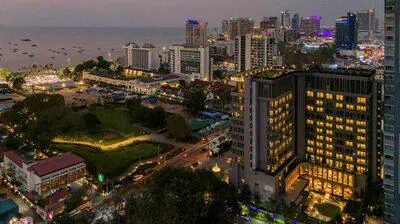
The opportunity to lead Meliá Pattaya was compelling for several reasons. It represents a fusion of Spanish heritage and Thai hospitality — two cultures that place strong emphasis on warmth and service.
Pattaya itself is a dynamic and competitive market, undergoing repositioning and diversification. From a business perspective, that makes it both challenging and full of opportunity. Additionally, being part of Meliá Hotels International’s strategic expansion in Thailand was an important factor. Establishing a strong flagship presence in this market is a responsibility I value greatly.
5. How would you describe your vision for the hotel?
My vision is to position the hotel as a benchmark for sustainable, service-led luxury in Pattaya. That means delivering consistent international standards while embedding local cultural identity into the guest experience.
Luxury today must be experiential and responsible. We aim to create an environment that feels vibrant and welcoming, while operating with long-term sustainability in mind.
6. What were the biggest challenges during the hotel’s opening phase?
Time and alignment were the primary challenges. Opening a property requires recruiting, training, and embedding brand culture simultaneously, while meeting construction and pre-opening timelines.
The key was balancing operational readiness with brand integrity. We had to move quickly, but without compromising standards. The team’s adaptability and focus were critical in achieving that.
7. How do you position the hotel within Pattaya’s competitive market?
Pattaya is highly segmented — from budget accommodations to ultra-luxury resorts. We position ourselves as accessible international luxury: global standards delivered in an approachable way.
Our Spanish heritage, Thai service culture, and sustainability focus differentiate us. We aim to attract both international and domestic guests seeking quality, authenticity, and reliability.
8. How do you balance global brand standards with Thai culture?
Brand standards ensure consistency, but relevance comes from local adaptation.
In Thailand, service is naturally gracious and respectful. Our role is to integrate that cultural strength within MHI’s operational framework. Training plays a critical role — ensuring teams understand both global expectations and local nuances.
The result is service that feels both internationally consistent and distinctly Thai.
9. What defines exceptional guest experience in today’s luxury landscape?
Exceptional guest experience today is defined by personalization, emotional resonance, and consistency.
Guests expect seamless service and high-quality facilities, but what differentiates a property is how well it anticipates needs and creates memorable moments. That may come through tailored dining, wellness programming, or thoughtful recognition of returning guests.
10. How do you ensure service consistency across departments?
Consistency is built on three pillars: clear standards, leadership accountability, and ongoing training.
Department heads must lead by example, and communication between teams must be fluid. Guests do not see departments — they experience one brand. Our responsibility is to ensure that the experience feels unified at every touchpoint.
11. In your view, what makes Pattaya an evolving destination?
Pattaya is diversifying significantly. While historically associated with nightlife, the destination is expanding into family tourism, wellness travel, and higher-end hospitality.
Infrastructure improvements and new developments are reshaping its image. That evolution presents opportunity for hotels positioned around quality and sustainability.
12. How do you see the city’s tourism profile changing in the coming years?
I see Pattaya becoming more balanced and sophisticated. Entertainment will remain part of its identity, but wellness, cultural programming, and premium hospitality will gain greater prominence.
The destination is broadening its appeal, particularly among regional and long-haul markets.
13. What key source markets are driving your business currently?
We maintain a balanced mix. The domestic Thai market is important, particularly for weekend and short leisure stays.
Regionally, China, South Korea, and India are strong contributors, while European long-haul markets remain significant for extended stays. Diversification helps manage seasonality and demand fluctuations.
14. How do you adapt to shifting travel trends and guest expectations?
We rely on data analysis, guest feedback, and close collaboration with our commercial teams.
Wellness, sustainability, and personalization are increasingly influential in booking decisions. We continuously adjust our programming, F&B offerings, and service delivery to reflect those trends.
15. What role does innovation play in your operational strategy?
Innovation supports both efficiency and guest satisfaction.
Technological integration enhances personalization and operational control, while sustainability initiatives reduce long-term costs and environmental impact. Equally important is innovation in training — ensuring teams remain agile and future-ready.
16. How do you foster teamwork and motivation among your staff?
Clear objectives and open communication are fundamental. People perform better when expectations are transparent.
Recognition also plays a significant role. Celebrating both individual and team achievements reinforces engagement and pride.
17. What qualities do you value most in your department heads?
Integrity, accountability, and strategic thinking.
Department heads must understand both operational detail and broader commercial impact. I also value leaders who invest time in developing their teams, not just managing daily tasks.
18. How do you nurture and develop young hospitality talent?
We recruit for attitude and potential, then invest in structured training and cross-exposure.
Providing clear development pathways and mentorship opportunities helps retain talent. The industry must evolve in how it supports young professionals, and leadership plays a key role in that.
19. What has been your most rewarding moment so far?
Seeing positive guest recognition and industry acknowledgment is extremely rewarding.
However, the most meaningful achievement is observing the team’s growth — watching associates gain confidence and take ownership of their roles.
20. How do you personally define leadership success?
Leadership success is sustainability — when systems, culture, and people function effectively beyond individual oversight.
If the team is aligned, confident, and accountable, leadership has achieved its purpose.
21. How important is sustainability in day-to-day operations?
Sustainability is integrated into daily decision-making.
Through MHI’s Travel for Good program, we focus on environmental impact reduction, community engagement, and responsible governance. It influences procurement, energy usage, waste management, and training initiatives.
22. What initiatives are you most proud of implementing?
I am particularly proud of achieving sustainability certifications, advancing responsible sourcing practices, and strengthening community partnerships.
Equally important are our mentorship programs and talent development efforts, which secure long-term operational excellence.
23. How do food and beverage concepts enhance the guest journey?
F&B is a strategic differentiator. It drives revenue, brand identity, and guest engagement.
By integrating local flavors, sustainability principles, and experiential elements, dining becomes a central component of the overall stay.
24. What role does wellness play in your resort strategy?
Wellness is a growth segment and a strategic focus.
We incorporate structured programming — including yoga, sound healing, and fitness activities — to align with evolving guest priorities. It enhances length of stay and guest satisfaction.
25. How do you handle difficult guest situations?
With empathy and clarity.
We train teams to listen actively and respond with solutions aligned with brand standards. Maintaining integrity while resolving issues builds trust and long-term loyalty.
26. How has technology changed hotel management during your career?
The transformation has been significant.
From manual ledgers and paper-based systems to fully integrated PMS, CRM, and revenue management platforms, technology has increased efficiency and personalization. It allows teams to focus more on guest interaction rather than administrative tasks.
27. What is your long-term strategy for the property?
Our objective is to position the hotel as the preferred choice in central Pattaya.
That involves strengthening F&B positioning, expanding wellness offerings, investing in talent, and maintaining sustainability leadership — all while delivering consistent service excellence.
28. How do you maintain work-life balance in such a demanding role?
It requires discipline and delegation.
I prioritize effectively and empower my leadership team. Outside of work, wellness routines and family time help maintain perspective. Balance in hospitality is ongoing, but intentional structure makes it achievable.
29. What motivates you after nearly three decades in hospitality?
The people.
Watching teams develop and seeing guests genuinely satisfied remains deeply motivating. Additionally, the industry’s constant evolution — from sustainability to digital transformation — keeps the role intellectually engaging.
30. What advice would you give aspiring hotel general managers?
Focus on people, adaptability, and integrity.
Understand the numbers, but never forget the human element. Stay curious, embrace change, and protect the brand’s values. Long-term success comes from consistency and trust.
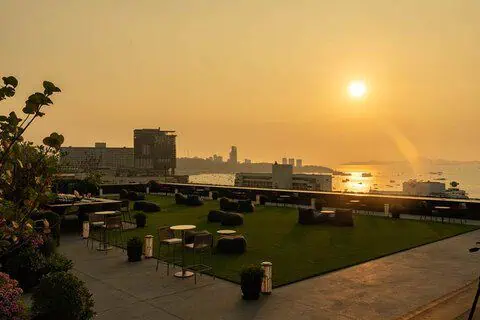
370 Moo 9, Nongprue, Banglamung, Chonburi Pattaya
See all full collection of travel interviews for tips and stories from hotels.
