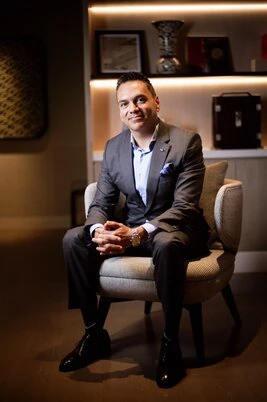
A deep-dive interview with Ritz-Carlton’s Alfonso Orona on leading hotels in Beijing and Suzhou, driving innovation, and shaping people-first hospitality
After expanding his leadership portfolio at Ritz-Carlton, Alfonso Orona reflects on lessons in adaptability, innovation, and people-first hospitality across China’s dynamic market.
One year after our last conversation, Alfonso has taken on a broader challenge — now serving as Multi-Property General Manager overseeing The Ritz-Carlton, Beijing and The Ritz-Carlton, Suzhou, as well as the new brand, Apartments by Marriott Bonvoy, in Suzhou. From the fast-paced capital to the heritage-rich city of Suzhou, he leads a diverse portfolio that reflects both China’s modern dynamism and timeless charm.
In this interview with Red Bird Travel News, Alfonso shares how he’s balancing brand consistency with local individuality, driving post-pandemic growth, and shaping a people-first culture across two of the country’s most competitive hospitality markets.
Management & Leadership
1. Congratulations on your expanded portfolio — you’re now leading not only The Ritz-Carlton, Beijing, but also the new Ritz-Carlton and the new brand, Apartments by Marriott Bonvoy, in Suzhou. How has this transition shaped your leadership focus?
I sincerely appreciate Marriott Group and the owner company for entrusting me with the responsibility of simultaneously managing three hotels across two cities. This role, while challenging, has provided significant professional growth opportunities, enabling a strategic overview of hotel operations and development.
It has further enhanced my understanding of how regional differences in team composition, guest profiles, and business models influence both individual and collective hotel performance. A key focus of the current management strategy is strengthening resource integration and cross-property collaboration among the three hotels to drive overall performance improvement.
2. What are the main differences you’ve observed between managing a single property in Beijing and overseeing multiple operations across cities? How do you divide your time and priorities between Beijing and Suzhou?
Managing three hotels concurrently places greater demands on both personal time management and team leadership capabilities, which also reflects the standard I set for each hotel’s core management team. The priority now is to establish high-performing, autonomous teams at each property. These teams are expected to demonstrate strong strategic planning and independent execution in business operations.
I maintain a disciplined approach to meetings — limiting them to 60 minutes or less — and place full trust in the core management teams by delegating authority effectively, thereby enhancing operational efficiency and execution across all locations.
3. Each city has its own rhythm and guest expectations. How do you adapt your strategies for Beijing versus Suzhou?
The Ritz-Carlton, Beijing has operated for eighteen years with stable performance, supported by its premium brand and strategic location. As the national capital, Beijing attracts international business travelers, event groups, and government delegations, ensuring a diverse guest base. Suzhou, a popular tourism destination in the Yangtze River Delta, sees strong demand but growing competition.
The Ritz-Carlton, Suzhou, newly opened in the historic Gusu district, is close to major attractions and well positioned for leisure travelers who expect high service quality, personalization, and memorable experiences. Each management team must adapt products and services to their target guests to strengthen market positioning.

4. Serviced apartments operate differently from hotels — what leadership adjustments or operational approaches have you found most effective for that segment?
Artik Suzhou, Apartments by Marriott Bonvoy, opens early next year and marks the brand’s Asia debut with a unique service concept. The hotel-style apartments feature full home amenities, including kitchens and washer-dryers, offering guests flexible, independent stays and easy access to the local community. The Ritz-Carlton, Suzhou team will manage operations and sales to ensure operational synergy and brand consistency. Key roles like front desk services will remain with the apartment’s dedicated team to maintain service quality.

5. Leading multi-city teams can be complex. How do you ensure communication, culture, and performance stay aligned across properties? What synergies or cross-learning opportunities do you see between your Beijing and Suzhou teams?
I maintain regular communication with both hotel management teams via WeChat, phone, and email, ensuring accessibility whenever needed. The Ritz-Carlton has a strong brand culture, enabling each property to blend local character while upholding consistent product standards and service quality. Close collaboration between the two hotels is essential.
For example, Beijing’s experienced Director of Quality has supported Suzhou in implementing brand standards. Similar cross-property exchanges are also taking place across departments, and sharing best practices has positively impacted operational performance and service quality at both locations.
6. What has this expanded role taught you most about leadership and adaptability? How do you personally stay inspired and grounded while managing responsibilities across multiple cities?
This role has provided me with a comprehensive understanding of the distinct challenges associated with managing two Ritz-Carlton properties concurrently. Each hotel features a unique design philosophy, serves different target market segments with tailored product positioning, and operates within distinct competitive landscapes.
At the same time, the experience has enabled me to observe how the respective management teams implement differentiated operational strategies, offering valuable insights into optimizing resource allocation and fostering cross-city, cross-departmental collaboration. Managing a larger organizational structure has reinforced the importance of trust, strategic delegation, and deliberately developing team autonomy and execution capability — key pillars in achieving operational excellence.
Hotel Facilities
7. What new initiatives, design upgrades, or service concepts have been rolled out recently under your leadership?
The hotel officially opened in March of this year, with all facilities and equipment in pristine condition. The design thoughtfully integrates Suzhou’s local cultural elements, reflecting a strong sense of place. Our primary focus is the continued enhancement of guest satisfaction. In the initial operational phase, the team went through a necessary integration period; as the operations team has steadily matured, guest satisfaction has shown a consistent upward trend.

8. How are digital tools — such as CRM, mobile guest interaction, or AI analytics — being used to enhance service delivery?
Marriott International provides strong technology support. The Marriott Bonvoy app and WeChat mini-program offer a seamless guest journey from booking to check-in and on-property services. AI enhances revenue management through improved data analysis and decision-making. Yet in luxury hotels, key service moments still require human presence. For example, we do not use robots for room deliveries. Personal interaction is essential — direct communication and emotional connection build lasting guest loyalty.
9. How is your team catering to new traveler profiles — such as digital nomads, extended-stay guests, or high-end leisure travelers?
The Ritz-Carlton is a place where genuine care and comfort are our highest mission. We firmly believe that this service standard meets the expectations of most guests. On this basis, we offer differentiated products and services for different guest groups. Most importantly, by providing personalized services, we truly meet the diverse needs of various customer groups.
10. How do you maintain a consistent brand experience across two very different cities and property types?
The Ritz-Carlton’s strong brand culture forms the foundation of its global operations, ensuring consistent service standards and shared core values. All “Ladies and Gentlemen” attend daily line-up to review the Gold Standards and global service examples, maintaining high service quality. The Beijing and Suzhou teams regularly collaborate on business and HR matters, sharing best practices to improve performance.
11. What have you learned about motivating teams through cross-regional management? How are you identifying and grooming local talent, especially for leadership roles in Suzhou?
Managing three hotels at once has shown me that trusting and empowering teams is essential. Each hotel needs efficient, independent teams encouraged to take initiative in planning and execution, thereby building accountability. Cross-hotel collaboration creates valuable learning opportunities. I have sent several experienced Beijing staff to Suzhou for on-site support. This exchange helps Suzhou learn from Beijing’s experience and gives Beijing fresh perspectives on challenges — benefiting both teams.
12. Both Beijing and Suzhou have distinct local cultures — how do your hotels reflect that in community engagement or sustainability initiatives?
Suzhou and Beijing both have rich cultural heritages that our hotels incorporate into operations. The Beijing hotel leverages its prime location to partner with brands and artists, highlighting the city’s culture and urban energy. Suzhou, a 2,500-year-old city, is known for its gardens, embroidery, and Song brocade. We integrate these elements into the guest experience, including creating Song brocade outfits for the hotel’s mascot, the little lion.
13. How are you preparing your properties to stay competitive as traveler expectations, technology, and distribution channels continue to shift?
The market is constantly changing, requiring continuous readiness to meet new challenges. Strengthening our core strengths remains essential. Both Ritz-Carlton properties in Beijing and Suzhou offer prime locations and excellent facilities. The Beijing property is well established but faces aging infrastructure; a targeted renovation of key areas will begin next year. The Ritz-Carlton, Suzhou opened this year and has steadily improved in operations and service, leading to stronger reputation and performance. Moving forward, it will leverage its brand and location to highlight local culture and become a leading showcase of Suzhou’s heritage and luxury hospitality.
14. Finally, what can we expect next — any upcoming openings, refurbishments, or new programs you’d like to highlight?
Suzhou and Beijing are poised for significant developments in the near term. The all-day dining restaurant at The Ritz-Carlton, Beijing will undergo a full renovation to enhance the guest experience, aligning with the hotel’s commitment to service excellence. Meanwhile, Suzhou will welcome the opening of Asia’s first Apartments by Marriott Bonvoy, a milestone addition that reinforces the city’s growing appeal to both leisure and corporate travelers. As China expands its visa-free entry policies to more countries, The Ritz-Carlton, Suzhou will strategically position itself to attract high-end international guests arriving via Shanghai, strengthening its presence in the global luxury hospitality market.
Marketing Trends
15. How would you describe current travel demand in Beijing and Suzhou — both domestic and international? What key trends will define the next phase of growth? Have you noticed changes in guest behavior or booking patterns since China’s full travel recovery?
Beijing and Suzhou’s tourism markets are growing strongly. Beijing, as China’s capital and cultural hub, remains a top destination, with rising business travel driven by international events. Suzhou, a classic Jiangnan city, attracts both domestic and international visitors, boosted by its proximity to Shanghai. China’s expanded visa-free policies this year have increased inbound tourism. Post-pandemic trends include shorter booking lead times, a shift toward authentic, niche experiences, and greater spending on immersive, high-quality travel.
16. What are your observations on how the China hotel market has evolved over the past two years?
In the past two years, China’s hotel industry has grown rapidly, driven by the rise of domestic hotel groups. As consumer demands shift in the post-pandemic era, many small- and medium-sized local hotels have expanded quickly. Local talent is also rising, with more Chinese professionals taking leadership roles in major hotel chains and individual properties. Hotel owners have also become more professional and more involved in operations, pushing the industry toward greater specialization and efficiency.
ESG (Environmental, Social, and Governance)
17. Are there any particular environmental or social responsibility programs you’re proud to have implemented?
The Ritz-Carlton and Marriott International prioritize corporate social responsibility. “Community Footprint,” the brand’s CSR program, is active in all properties worldwide, including Beijing and Suzhou. It focuses on environmental protection, education, and economic development. In Suzhou, HR regularly organizes employee volunteer visits to local nursing homes and welfare centers. From the start of construction, the hotel integrated sustainability measures, including solar water heaters, air-source heat pumps, and preheating tanks to reduce energy use.
The hotel follows Marriott’s environmental data system to track carbon emissions. In operations, guest bathrooms use bulk toiletries to reduce plastic waste, and restaurant takeout items use biodegradable packaging to lower environmental impact.
18. How do you see sustainability evolving in China’s upscale hotel market?
Sustainable development will continue to shape China’s luxury hotel market as a key societal priority. Guests — both leisure and business travelers — increasingly consider a hotel’s corporate social responsibility performance when choosing where to stay. Government regulations on CSR are also becoming stricter, promoting environmental care, social equity, and transparency. As a result, CSR will significantly impact hotel operations, brand reputation, and strategic planning.
As Alfonso Orona continues guiding his Beijing and Suzhou teams through an era of renewed travel confidence and heightened guest expectations, his focus remains clear: delivering excellence through adaptability, innovation, and authentic hospitality. His journey from hotel GM to area leader offers an insightful view into how modern hospitality management in China is evolving — where leadership is as much about cultural sensitivity and team empowerment as it is about performance and strategy.
Also read Review The Ritz-Carlton Suzhou: Where Luxury Meets Suzhou Heritage
