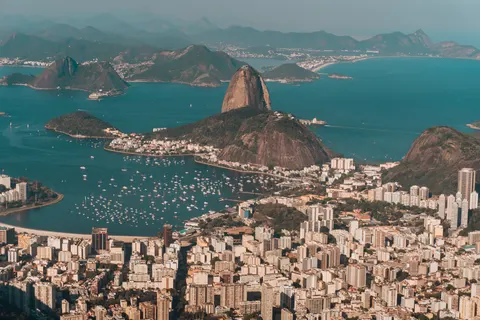
Brazil’s global image may be defined by Rio de Janeiro and Copacabana, but Brazil Beyond Rio, destinations such as the Pantanal, Lençóis Maranhenses and Jalapão are reshaping how travellers experience the country — prioritising biodiversity, cultural immersion and sustainable tourism over conventional sightseeing.
Brazil’s lesser-visited regions are increasingly attracting travellers seeking deeper engagement with nature and heritage.
From the wetlands of the Pantanal to the seasonal lagoons of Lençóis Maranhenses National Park, the country’s “B-side” offers a markedly different narrative to that of Rio de Janeiro.
Disclosure: This article contains affiliate links. As an Amazon Associate, we earn from qualifying purchases. We may earn a commission at no extra cost to you.
Brazil Beyond Rio: Hidden Destinations Worth Exploring
Chapada Diamantina National Park
Located inland in Bahia, this national park is characterised by:
- Flat-topped mountains
- Subterranean caves
- Waterfalls and natural swimming holes
- Long-distance hiking trails
It appeals to travellers seeking active exploration and lower visitor density than coastal hotspots.
Jalapão
In Tocantins state, Jalapão’s cerrado savanna landscape includes:
- Orange sand dunes
- “Fervedouros” — artesian springs where buoyancy prevents swimmers from sinking
- Remote 4×4-access trails
The region remains largely infrastructure-light, reinforcing its appeal to adventure-focused travellers.
Coastal Alternatives in São Paulo State
Villages such as:
- Boicucanga
- Borraceia
offer extended-stay opportunities and quieter beachfront settings compared to nearby Maresias.
These communities enable slower, locally embedded travel experiences.
Why the Pantanal Is a Wildlife Alternative to the Amazon
While the Amazon Rainforest is globally recognised for biodiversity, the Pantanal is widely regarded as South America’s most accessible wildlife-viewing destination.
Unlike the dense Amazon canopy, the Pantanal’s open marshlands and savannas allow clearer visibility of species such as:
- Jaguars
- Giant anteaters
- Capybaras
- Hyacinth macaws
Exploration typically includes:
- River safaris by boat
- 4×4 wildlife drives
- Horseback excursions led by local guides
Accommodation ranges from eco-lodges to working fazendas, where visitors engage with pantaneiro cattle-herding traditions.
Lençóis Maranhenses National Park: Brazil’s Surreal Seasonal Landscape
Located in Maranhão state, Lençóis Maranhenses defies conventional desert classification.
During the rainy season:
- Freshwater collects between white sand dunes
- Thousands of turquoise lagoons form
- Swimming becomes a central visitor experience
Access is primarily via:
- Barreirinhas
- Atins
The optimal visitation window runs from June to August, when lagoon levels peak.
Cultural Immersion Beyond Landmarks
Authentic engagement in Brazil often centres on Afro-Brazilian and indigenous traditions.
In Bahia, travellers may:
- Attend a capoeira roda
- Visit Candomblé terreiros
- Learn to prepare moqueca baiana
In Rio de Janeiro, historic samba gatherings at Pedra do Sal remain culturally significant.
In the Amazon basin, riverine caboclo communities offer insights into:
- Açaí harvesting
- Floating agriculture systems
- Forest-based subsistence practices
Sample Off-the-Beaten-Path Itineraries
- 10–12 days: Pantanal + Rio de Janeiro
- 9–11 days: Lençóis Maranhenses + Trancoso
- Two weeks: Rio + Pantanal + Amazon
- Three weeks: Northeast circuit including Olinda, São Luís and Jericoacoara
Each route balances biodiversity with cultural depth.
Connectivity in Remote Regions
Infrastructure gaps remain common in the Pantanal, Amazon and Jalapão.
Travellers increasingly rely on:
- eSIM technology
- Offline navigation tools
- Portable power banks
For guidance on digital travel solutions, see:
- Brazil travel technology guide
- Sustainable travel in South America
- Embratur official destination resources
- UNESCO World Heritage listings for protected Brazilian sites
When to Visit
Seasonality directly impacts experience quality.
Lençóis Maranhenses:
- Best: June–August (full lagoons)
Pantanal & Amazon:
- Best: May–September (dry season wildlife visibility)
Rainy months may restrict road access in Jalapão and Chapada Diamantina.
Why It Matters
Brazil’s secondary destinations reflect a broader tourism shift toward:
- Sustainable, low-impact travel
- Wildlife-led itineraries
- Community-based cultural engagement
- Climate-aware trip planning
As global travellers increasingly prioritise authenticity over landmark-driven travel, destinations such as the Pantanal and Lençóis Maranhenses are positioned to benefit from evolving demand patterns.
For the industry, this diversification reduces pressure on overtouristed urban centres while distributing economic benefits across regional communities.
Practical Preparation for Remote Travel in Brazil
Travelling across Brazil’s wetlands, rainforests and dune systems requires thoughtful preparation. Protection from climate, insects and infrastructure limitations is essential, particularly in remote regions such as the Pantanal and Lençóis Maranhenses.
Key considerations:
- High-SPF, reef-safe sunscreen to manage intense tropical sun exposure
- Strong insect repellent (DEET or Icaridin-based) for wetlands and forest areas
- Lightweight, breathable clothing, with long sleeves and trousers recommended for jungle excursions
- Reliable digital connectivity, with many travellers opting for eSIM solutions for navigation and emergency access
- A universal power adapter and high-capacity power bank, as electricity can be inconsistent in eco-lodges and rural areas
Advance preparation ensures smoother logistics and reduces risk when travelling beyond Brazil’s major urban centres.
For more curated travel gear and luggage recommendations, explore our recommended travel products designed for efficient city travel.
See our recommended travel products and services.
At a Glance
- Focus: Brazil beyond Rio de Janeiro
- Wildlife Highlight: Pantanal wetlands
- Landscape Highlight: Lençóis Maranhenses lagoons
- Best Time: May–September (wildlife); June–August (lagoons)
- Travel Style: Nature-led, culturally immersive, seasonally timed
Also read Marriott International Reshapes Global Leadership to Accelerate Growth Across the Americas and EMEA
Disclosure: Red Bird Travel News publishes original editorial content. When reporting is informed by third-party industry media, research studies, or press coverage, articles are independently rewritten, contextualised, and edited for relevance to our audience. We do not republish full third-party articles.
