
Nearly 10 million international tourists visited Hungary , drawn by its history, culture and compact geography. Yet first-time travellers still encounter avoidable pitfalls — from currency confusion to limited rural opening hours — that can impact time, budget and overall experience. Here are five common mistakes and how to navigate them more effectively.
Disclosure: This article contains affiliate links. We may earn a commission at no extra cost to you if you book or purchase through our links. As an Amazon Associate, we earn from qualifying purchases.
Essential Hungary Travel Guide for First-Time Visitors
As a landlocked country in Central Europe, Hungary continues to perform strongly as a regional tourism hub. With nearly ten million international arrivals in 2025, the country benefits from:
- Strong intra-European demand
- Competitive pricing compared to Western Europe
- Compact geography enabling multi-stop itineraries
- Cultural depth spanning architecture, gastronomy and thermal spa heritage
From the capital Budapest to Lake Balaton and historic provincial towns, Hungary is accessible and relatively easy to navigate — provided travellers understand a few local nuances.
Below are five areas where first-time visitors often miscalculate.
1. Relying Solely on Public Transport for Flexible Travel
Hungary’s public transport system is well organised and affordable. The nationwide Hungary Pass costs HUF 18,990 (around €50) for unlimited travel across the country.
However, convenience varies outside major routes.
- Travel times by train or bus can be significantly longer than by car
- Rural connections may require multiple transfers
- Timetables can limit spontaneity
Given Hungary’s small size, most major destinations are reachable from Budapest within two hours by car. For travellers on tighter schedules or planning countryside visits, car rental in Budapest can provide greater flexibility and time efficiency.
2. Assuming English Is Spoken Everywhere
English is widely spoken in Budapest and established tourist areas. However, language accessibility declines outside larger cities.
Data from the Hungarian Central Statistical Office indicates that 57.6% of Hungarians do not speak a foreign language.
This can affect:
- Small-town retail interactions
- Local service providers
- Informal directions and assistance
Translation apps mitigate most issues. Learning basic Hungarian greetings also improves day-to-day interactions and signals cultural respect.
3. Misunderstanding the Hungarian Forint
Hungary’s official currency is the Hungarian forint (HUF).
While some tourist-facing businesses accept euros, exchange rates offered in cash transactions are often unfavourable. Visitors who default to euro payments may unknowingly increase daily expenses.
Best practice includes:
- Paying by card where possible
- Withdrawing forints locally
- Checking dynamic currency conversion prompts on card machines
Clear awareness of local currency norms supports more transparent budgeting.
4. Not Accounting for Limited Opening Hours Outside Cities
Retail and dining hours differ significantly between urban and rural Hungary.
In Budapest, supermarkets and restaurants maintain predictable schedules. In smaller towns and villages:
- Shops often close earlier
- Many businesses shut on Sundays
- Restaurants may operate shorter service windows
Planning meals and shopping in advance is advisable when travelling beyond major tourist centres. This is particularly relevant for self-drive itineraries or off-season visits.
5. Underestimating Tourist Traps and Small Costly Errors
Hungary consistently ranks among the safer countries in Europe. Nevertheless, common travel irritations persist.
Reported issues include:
- Overpriced taxi fares
- Inflated restaurant bills in high-footfall zones
- Low-quality souvenir purchases at premium prices
Preventative steps are straightforward:
- Confirm taxi pricing before departure
- Review menus carefully
- Compare souvenir pricing beyond main squares
Modest vigilance typically prevents unnecessary expense.
Why It Matters
Hungary’s tourism appeal lies in value, accessibility and cultural density. However, visitor satisfaction increasingly hinges on practical preparedness rather than destination appeal alone.
For industry stakeholders, these recurring friction points highlight:
- Continued need for transparent pricing practices
- Opportunity for multilingual service expansion
- Demand for clearer rural transport guidance
- Growing role of digital tools in bridging language and currency gaps
As Hungary sustains strong inbound performance, visitor education supports both reputation management and repeat visitation.
These sneakers and lugggage are featured in our curated travel gear recommendations for frequent travelers.


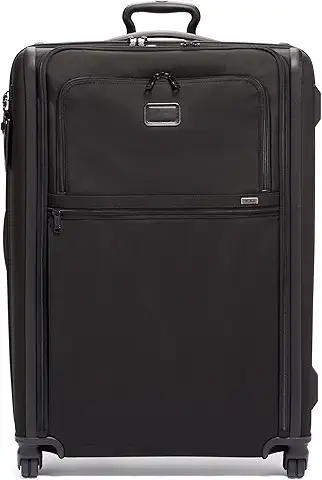
For more curated travel gear and luggage recommendations, explore our recommended travel products designed for efficient city travel.
At a Glance
Destination: Hungary
2025 International Arrivals: Nearly 10 million
Official Currency: Hungarian forint (HUF)
Language: Hungarian (limited foreign-language use outside cities)
Top First-Time Visitor Mistakes:
- Overreliance on public transport
- Assuming universal English fluency
- Paying in euros instead of forints
- Ignoring rural opening hours
- Overlooking common tourist pricing traps
Preparation in these areas materially improves overall travel efficiency and cost control.
Planning your next trip? Browse our travel guides for expert insights and practical tips.
Also read Brazil Beyond Rio: Pantanal, Lençóis Maranhenses and Hidden Destinations Guide
Disclosure: Red Bird Travel News publishes original editorial content. Where reporting is informed by third-party industry media, research, or press coverage, content is independently written, contextualised, and edited to ensure relevance and accuracy for our audience. We do not republish full third-party articles.
