Disclosure: This article contains affiliate links. We may earn a commission at no extra cost to you. As an Amazon Associate, we earn from qualifying purchases.
Chihuahua Mexico Travel Guide Overview
The Chihuahua Mexico travel guide highlights one of the country’s largest and most diverse regions, known for its vast deserts, dramatic canyons, and deep-rooted indigenous culture. Chihuahua in northern Mexico offers a mix of natural landscapes, historic cities, and cultural experiences anchored by the Copper Canyon and the Rarámuri people. The destination continues to position itself as a long-form travel route for visitors seeking scale, authenticity, and slower exploration.
Key Takeaways
• Chihuahua is Mexico’s largest state by land area
• Copper Canyon is larger and deeper than the Grand Canyon system
• El Chepe train connects key canyon and mountain destinations
• Home to the indigenous Rarámuri long-distance running culture
• Combines deserts, forests, waterfalls, and colonial cities
Destination Overview
Chihuahua Mexico travel guide experiences are defined by scale. The state spans deserts, pine forests, mountain ranges, and canyon systems that feel more like multiple countries than a single region. Its geography is one of the main reasons it remains less visited compared to Mexico’s coastal destinations.
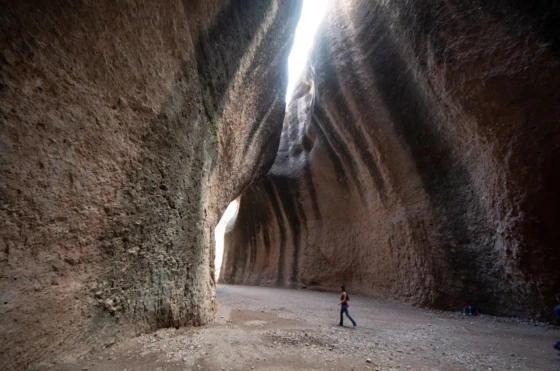
At the centre of its appeal is the Copper Canyon system, a network of canyons larger and deeper in many areas than the Grand Canyon. The terrain creates dramatic elevation changes, with cliffside viewpoints, hidden valleys, and remote communities scattered across the Sierra Madre Occidental.
A key highlight is the El Chepe railway, which crosses tunnels, bridges, and mountain passes. The journey connects remote canyon towns and is widely regarded as one of the most scenic train routes in North America.
Copper Canyon & Natural Landscapes
The Copper Canyon region is the defining feature of the Chihuahua Mexico travel guide. It is made up of several interconnected canyons carved over millions of years, creating a vast geological system with steep cliffs and deep ravines.
Beyond the canyons, Chihuahua also includes Basaseachi Falls, one of Mexico’s tallest waterfalls, surrounded by forested mountain terrain. The contrast between desert plains and green highlands adds significant variety to the region’s natural identity.
For travellers interested in hiking, cycling, or slow travel experiences, the canyon region provides long-distance trails and viewpoints that highlight the scale of northern Mexico’s geography.
Rarámuri Culture & Living Heritage
A central cultural element in the Chihuahua Mexico travel guide is the Rarámuri (Tarahumara) people. Known for their long-distance running ability and strong connection to the land, the Rarámuri maintain traditional lifestyles across remote canyon communities.
Their presence is visible through handcrafted goods, agricultural practices, and preserved cultural traditions. Visitors are encouraged to approach these communities respectfully, as many areas remain semi-isolated and culturally sensitive.
This cultural continuity is one of the reasons Chihuahua stands out within Mexico’s broader tourism landscape, offering more than just natural scenery.
Chihuahua City & Historical Context
Chihuahua City, the state capital, blends colonial-era architecture with revolutionary history. The city is closely associated with Pancho Villa, a key figure in the Mexican Revolution, whose legacy is preserved in museums and historic landmarks.
The urban centre provides a contrast to the surrounding wilderness, offering museums, plazas, and cultural sites that reflect the political and historical evolution of northern Mexico. It also serves as a gateway for travellers heading toward the Copper Canyon region.
Things to do in Chihuahua.
Geography, Scale & Travel Experience
The Chihuahua Mexico travel guide is shaped by the state’s scale. As the largest state in Mexico, it is comparable in size to countries such as the United Kingdom or Romania. This vastness makes it impossible to experience in a single short trip.
Travellers often move between distinct zones—deserts, mountain forests, canyon systems, and colonial cities—each offering a different travel experience. This diversity is one of the defining characteristics of the region.
Travel is typically slow and route-based, with rail, road, and regional air connections linking key destinations. The journey itself is often as important as the destination.
Connectivity & Access
Chihuahua International Airport, located approximately 13 kilometres from Chihuahua City, connects the region with major Mexican cities including Mexico City, Monterrey, Guadalajara, Tijuana, Cancún, and Querétaro. International flights also operate to Dallas/Fort Worth and Denver.
Frequent international travellers passing through major hubs often rely on airport lounge access programs to make long layovers more comfortable. One commonly used option is Priority Pass, which provides access to a global network of airport lounges and travel experiences across multiple regions.
The El Chepe Express remains one of the most popular ways to explore the canyon region, connecting mountain towns and offering panoramic views of the Sierra Tarahumara landscape.
Brand Background (Destination Profile)
Chihuahua is positioned as a multi-experience destination within Mexico’s northern tourism corridor. Its appeal is based on geographic scale, cultural depth, and natural diversity rather than concentrated resort development.
Unlike coastal destinations, the region focuses on adventure travel, rail journeys, cultural immersion, and nature-based exploration. This makes it particularly relevant for travellers seeking longer itineraries and less commercialised environments.
Travel Tools We Recommend
Travelling through northern Mexico’s vast landscapes often involves long train journeys, remote canyon access, and shifting climates. Having the right essentials can make the experience significantly smoother.
We recommend preparing with essential travel gear for long-distance train journeys, especially for those planning to spend extended time aboard the El Chepe route through Copper Canyon. Lightweight comfort items, hydration tools, and compact storage solutions are particularly useful.
For more remote exploration, including canyon viewpoints and rural Rarámuri communities, consider recommended items for remote canyon and nature travel. These typically support mobility, safety, and comfort across uneven terrain and changing weather conditions.
Finally, because Chihuahua spans deserts, forests, and high-altitude regions, it’s worth reviewing useful packing tools for multi-climate destinations to help manage temperature shifts and varied travel conditions in a single itinerary.
You can explore our curated recommendations of travel products we often use.
Related Travel Coverage
Readers may also the following guides useful:
Brazil Beyond Rio: Pantanal, Lençóis Maranhenses and Hidden Destinations Guide
Mexico Named Partner Country of FITUR 2026, Unveils Global Tourism and Investment Agenda
