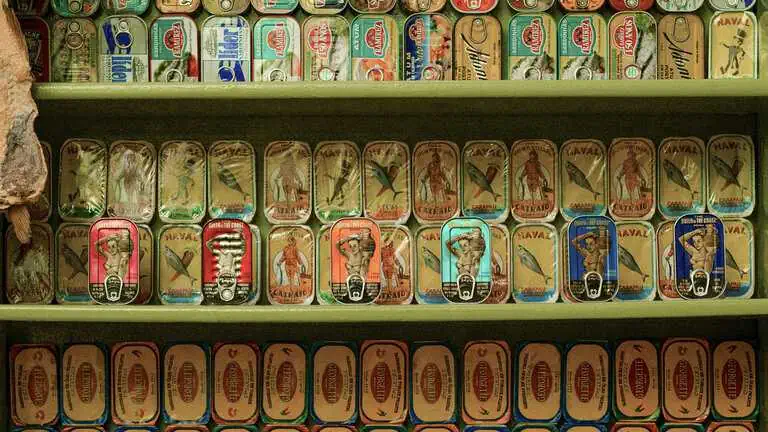
Food experiences are becoming a bigger priority for European travellers, with regional cuisine and locally sourced ingredients increasingly influencing destination choices, according to new research from travel experiences platform GetYourGuide.
The company’s latest data shows that bookings for food experiences on its platform increased 47% year on year, outpacing bookings for cultural and historical sites, which rose 16%.
The findings suggest that food is playing a greater role in how travellers plan their trips. In particular, regional specialities, individual ingredients and food-related learning experiences are attracting interest.
According to a survey conducted on behalf of GetYourGuide, 79% of respondents said they would specifically travel for regional food experiences. This compares with 57% who identified cultural and historical experiences as a travel priority.
More than half of those surveyed (57%) said they would travel for a particular ingredient. The UK recorded the highest proportion at 66%, followed by Italy (57%), France (53%) and Germany (51%).
Food-related activities also extend beyond dining. Some 76% expressed interest in tastings, while 58% were interested in visiting food museums. Meanwhile, grocery stores, markets and food stalls attracted the highest level of interest among food experiences, at 84%.
GetYourGuide Highlights the Growing Interest in Food Tourism
Francesca De Falco, GetYourGuide’s regional manager for Italy, said the platform had recorded increased demand for food-related activities.

“At GetYourGuide we’ve seen bookings of food experiences grow 47% year on year — outpacing cultural and historical sites. Think of it as cornetti first, Colosseum later. At the same time, when more than half of travelers say they’d fly somewhere for a single ingredient, that’s not a food trend — that’s a cultural shift. People aren’t just eating in between sightseeing anymore — they want to forage, ferment, and understand where a dish comes from. The kitchen has become the new museum.”
The appeal of ingredient-focused experiences can also extend to agriculture, local production and sustainability.
Pascal Beckers, who leads a vanilla cultivation tour in Tenerife, described how visitors learn about the ingredient and its production.
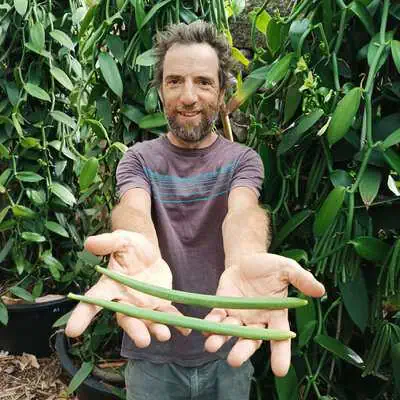
“Most visitors who come to my experience are initially attracted by vanilla as an exotic and precious ingredient. But they soon discover the story behind it and leave feeling enriched by what they have learned. Seeing the plant, meeting the person behind it, and understanding the ecology and years of effort involved make the story of an ingredient truly tangible. The fact that the experience is rooted in sustainability and offered in small groups makes it all the more meaningful.”
10 Food Ingredients Inspiring Travel Experiences
GetYourGuide has identified 10 ingredients that are attracting travellers to destinations across Europe and beyond. The experiences range from olive oil production and truffle hunting to traditional food manufacturing and agricultural tours.
1. Olives: Corfu, Greece – Olive Oil Experience
The experience at The Governor’s Olive Mill takes visitors through the olive oil production process, from the traditional stone mill to the modern press, followed by a tasting.
2. Truffles: Florence, Italy – San Gimignano Truffle Hunt
The San Gimignano truffle hunt combines a day in the Tuscan countryside with a truffle-hunting experience involving a trained dog. The programme also includes a meal featuring handmade pasta and a wine tasting.
3. Vanilla: Tenerife, Spain – Vanilla Cultivation in the Canary Islands
The vanilla cultivation tour introduces visitors to vanilla production in the Canary Islands. The experience takes place at a food forest and vanilla plantation in Tenerife.
4. Saffron: Abruzzo, Italy – Saffron Harvest
Known locally as the red gold of Abruzzo, saffron is the focus of a harvesting experience in Navelli. Visitors can take part in the harvest, collecting the crimson threads from purple crocus flowers by hand.
5. Tomatoes: Santorini, Greece – Old Tomato Factory
At Santorini’s old tomato factory, visitors can learn about the island’s tomato-processing industry and the role of its small cherry tomatoes in the local economy.
6. Sichuan Peppercorns: Chengdu, China – Sichuan Cuisine Museum
The Sichuan Cuisine Museum explores the history of Sichuan cuisine, including the region’s distinctive mala flavour profile, characterised by numbing and spicy sensations.
7. Sardines: Setúbal, Portugal – Local Market and Canned Sardines Factory Tour
The Setúbal walking tour introduces visitors to the area’s sardine industry, including traditional canning methods and the packaging of the preserved fish.
8. Salt: Lanzarote, Spain – Janubio Salt Flats Guided Tour
The Janubio Salt Flats guided tour explores traditional salt production on Lanzarote, where visitors can observe how salt is harvested from pools formed by volcanic terrain.
9. Wasabi: Azumino, Japan – Wasabi Farm Walking Tour
At a wasabi farm in Azumino, the walking tour with lunch introduces visitors to the cultivation of fresh wasabi. The experience also offers an opportunity to compare freshly prepared wasabi with the horseradish-based paste commonly served with supermarket sushi.
10. Capers: Salina, Italy – Salina Capers Experience
The Salina Capers Experience takes visitors through a volcanic agricultural landscape on Salina, one of the Aeolian Islands. The island is known for its caper production.
Editorial Disclosure: This article is based on information and research provided by GetYourGuide.
Related Coverage
AI Is Changing How Travelers Research, Plan and Book Trips
MICHELIN Guide South Australia 2027 Expands Australia’s Global Food Tourism Profile
Bordeaux Free Walking Tours Reveal Best Way to Explore the Historic Port of the Moon
