Luxury all-inclusive honeymoons are redefining global travel demand, driven by privacy, simplicity and premium service expectations through 2026
The international honeymoons market is undergoing a structural shift, with luxury all-inclusive resorts emerging as a key growth driver through 2026. Traditional, activity-packed honeymoons are increasingly giving way to high-end, low-friction experiences focused on privacy, service quality and planning certainty. This evolution matters because it is reshaping product design, investment priorities and profitability across the global hospitality sector — particularly in established luxury destinations such as the Caribbean. Disclosure: Some links in this article are affiliate booking links, which may earn me a small commission at no extra cost to you.
From Traditional Honeymoons to Curated Luxury
Honeymoons are no longer viewed as an extension of leisure travel. Instead, they are being positioned as a once-in-a-lifetime, high-quality break, where expectations differ sharply from standard holidays.
Key changes in traveller priorities include:
- Greater emphasis on relaxation and emotional value
- Reduced interest in packed activity schedules
- Higher expectations for seamless service and reliability
- Preference for environments that encourage slowing down
For luxury providers, this shift creates a clear challenge: delivering exclusivity and emotional impact without introducing unnecessary complexity.
Changing Expectations in the Luxury Segment
Today’s honeymoon travellers increasingly value clarity, transparency and consistency. This mindset aligns closely with all-inclusive concepts — but only when they are executed at a premium level.
What distinguishes luxury all-inclusive from traditional models is not volume, but curation. Experiences are designed to feel refined and intentional rather than extensive or overwhelming.
In this context, all-inclusive is being redefined as:
- A guarantee of service quality, not standardisation
- A framework for predictable excellence
- A tool for reducing friction in planning and on-property experiences
All-Inclusive as a Strategic Honeymoon Product
Within the luxury segment, all-inclusive resorts are increasingly positioned as strategic products rather than mass-market solutions.
Common characteristics include:
- Adults-only or honeymoon-focused resort concepts
- Spacious, well-appointed rooms and suites
- Personalised service that remains human rather than automated
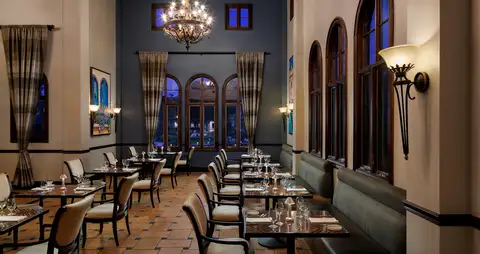
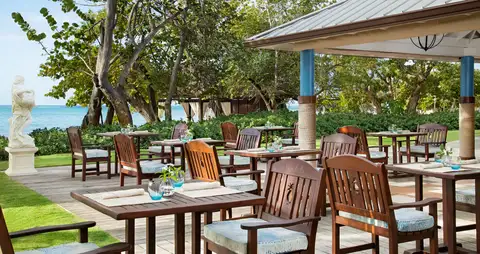
- Carefully edited dining and leisure options
For honeymooners, this creates a clearly defined offering that balances planning security with a sense of individuality. For operators, it enables cost stability, brand consistency and operational efficiency — all while maintaining premium positioning.
Why the Caribbean Plays a Central Role
The Caribbean occupies a distinctive position in this evolving honeymoon landscape. As a long-established luxury destination, the region combines:
- Strong international brand recognition
- Mature hospitality infrastructure
- Experienced operators and global air connectivity
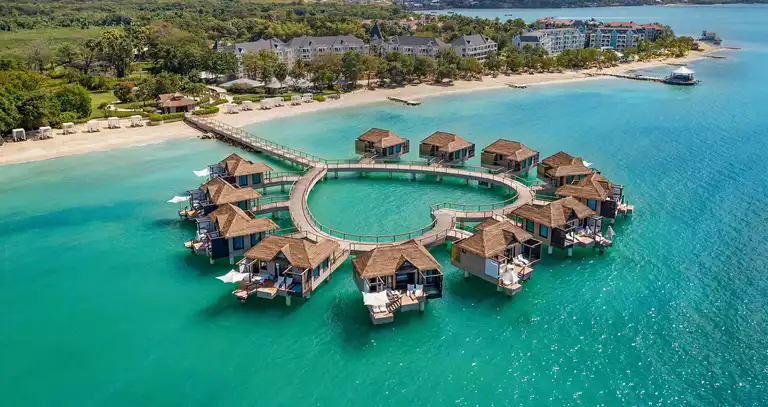
Within this environment, clearly structured luxury all-inclusive models have gained traction, Sandals South Coast, Whitehouse, Jamaica and other resort concepts have established themselves, focusing on clearly structured all-inclusive models.offering a format that aligns well with honeymoon expectations for ease, romance and reliability.
Rather than competing on novelty, Caribbean resorts increasingly compete on execution, service depth and spatial quality.

Honeymoon Travel Trends Looking Toward 2026
Looking ahead to 2026, development strategies across the luxury sector are becoming more focused and deliberate. The priority is no longer expansion for its own sake, but refinement of existing concepts.
Notable trends shaping product development include:
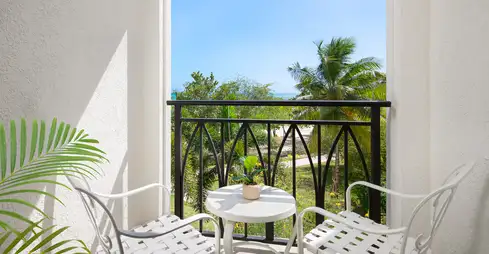
- Greater investment in suite-led layouts that prioritise seclusion
- Clearer separation between communal and private spaces
- Service models designed to be consistent yet flexible
- Design choices that support calm, intimacy and flow
These shifts reflect a broader recalibration of how luxury is defined — moving away from excess and towards intentional simplicity.
Commercial Impact and Long-Term Positioning
The honeymoon segment offers several strategic advantages for luxury all-inclusive resorts.
From a commercial perspective:
- Honeymooners typically show a high willingness to pay
- Expectations are well-defined, supporting clearer product design
- Positive experiences often translate into long-term brand loyalty
Beyond immediate revenue, honeymoon travel also plays a role in brand perception. Resorts that deliver exceptional first-time experiences often benefit from repeat visits, anniversary travel and strong word-of-mouth advocacy.
Why Honeymoons Matter More Than Ever
As global travel demand continues to normalise, the honeymoon market is emerging as a stable, high-value segment within luxury hospitality. Its emphasis on emotional connection, service quality and trust aligns closely with the strengths of well-executed all-inclusive resorts.
For destinations and operators willing to adapt early, the shift presents an opportunity to secure sustainable demand, refine brand identity and strengthen long-term profitability — well beyond 2026.
At a Glance
- Trend: Luxury all-inclusive honeymoons gaining global traction
- Key Drivers: Privacy, simplicity, service quality, planning certainty
- Market Outlook: Strong growth through 2026
- Core Destinations: Caribbean and established luxury regions
- Product Focus: Suites, adults-only concepts, curated experiences
- Commercial Value: High spend, strong loyalty, brand impact
Also read CHIEF Awards 2025: Honoring Caribbean Hospitality Excellence
