
A well-crafted high-quality coffee can elevate the entire dining journey, leaving guests with a lasting impression. Restaurants that prioritize quality coffee—from bean selection to barista skills—demonstrate professionalism and attention to detail, while poor coffee can undermine an otherwise excellent meal.
Key Takeaways: High-Quality Coffee in Restaurants
- Exceptional coffee enhances desserts, digestifs, and specialty drinks like Irish Coffee or Espresso Martinis.
- Offering after-dinner coffee increases check averages, encourages guests to linger, and supports upselling.
- Bean origin, roasting, and grinding techniques directly influence flavor, aroma, and texture.
- Professional espresso machines and skilled baristas are critical for consistent, high-quality extraction.
- Investing in coffee quality reflects a restaurant’s commitment to excellence and guest satisfaction.
Why It Matters
In today’s competitive dining landscape, every detail contributes to the guest experience. Coffee is often the final touchpoint of a meal, shaping quality and care. Restaurants that invest in premium beans, proper equipment, and staff training not only enhance flavor but also create opportunities for revenue growth and repeat visits.
Coffee Beans and Origin
Great espresso starts with exceptional beans. The origin of the beans influences aroma, acidity, sweetness, and complexity. Popular regions include:
- Ethiopia – floral and fruity notes
- Colombia – balanced acidity and sweetness
- Brazil – nutty, chocolatey flavors
- Guatemala & Costa Rica – rich, complex profiles
Restaurants can offer single-origin beans, Arabica or Robusta varieties, or blends to create signature flavor profiles.
Specialty beans include:
- Kopi Luwak – beans partially digested by the Asian palm civet, producing a smooth, unique flavor.
- Black Ivory Coffee – Thai Arabica beans fermented through elephants, offering natural sweetness and complexity.
Roasting Levels
Roasting transforms raw beans into coffee with character:
- Light roast – emphasizes acidity; ideal for filter coffee.
- Medium roast – balances sweetness and body.
- Dark roast – bold flavors; perfect for espresso and cappuccinos.
Matching roast levels to brewing methods ensures optimal flavor extraction.
Grinding and Humidity
Coffee should be ground immediately before brewing. Key considerations:
- Grind size – coarse for filter coffee, fine for espresso or lattes.
- Humidity – coffee is hygroscopic; baristas must adjust grind size depending on moisture in the air to maintain consistent taste.
Espresso Machine Quality
Affiliate link included. As an Amazon Associate I earn from qualifying purchases.
A professional espresso machine ensures:
- Stable water temperature (88–94°C)
- Consistent pressure (~9 bars)
- Reliable extraction
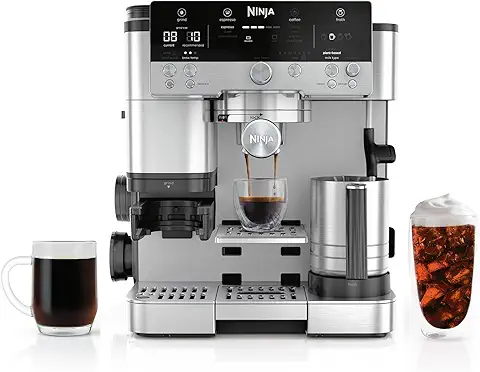
Routine maintenance, including backflushing and annual professional servicing, preserves performance. For restaurants or coffee enthusiasts looking to serve consistently excellent coffee, investing in a professional espresso machine can make all the difference, providing precise control and reliable extraction every time. Some suppliers even offer complimentary machines with yearly coffee purchases.
Barista Skills
Even the best equipment cannot replace skilled craftsmanship. Baristas manage:
- Dosing and tamping
- Timing and extraction
- Sensory evaluation
Continuous training, often supported by coffee companies, ensures consistency, from aroma to crema. The barista’s touch completes the coffee experience, reinforcing the restaurant’s brand and quality standards.
Serving Coffee: The Final Impression
High-quality coffee is more than a beverage; it is the final chapter of the dining story. Serving premium coffee:
- Enhances desserts and digestifs
- Encourages guests to linger, boosting revenue
- Reflects professionalism and dedication to excellence
Restaurants that prioritize coffee create memorable experiences and elevate every meal. Investing in beans, equipment, and staff training is essential—not optional—for those who aim to deliver an exceptional dining journey.
At a Glance
- Focus: After-dinner coffee shapes guest impressions and revenue.
- Beans: Origin, type, and specialty varieties influence flavor.
- Preparation: Proper roasting, grinding, and machine maintenance are critical.
- Staff: Skilled baristas complete the coffee experience.
- Outcome: High-quality coffee reinforces excellence and guest satisfaction.
Editorial disclosure: This article is an independently written editorial analysis based on industry reporting from Anthimos Georgiou (Culinary Program Leader and a Senior Lecturer in Hospitality, International Management Institute in Switzerland) and insights from eHotelier. The content has been rewritten and contextualised for editorial clarity and relevance.
