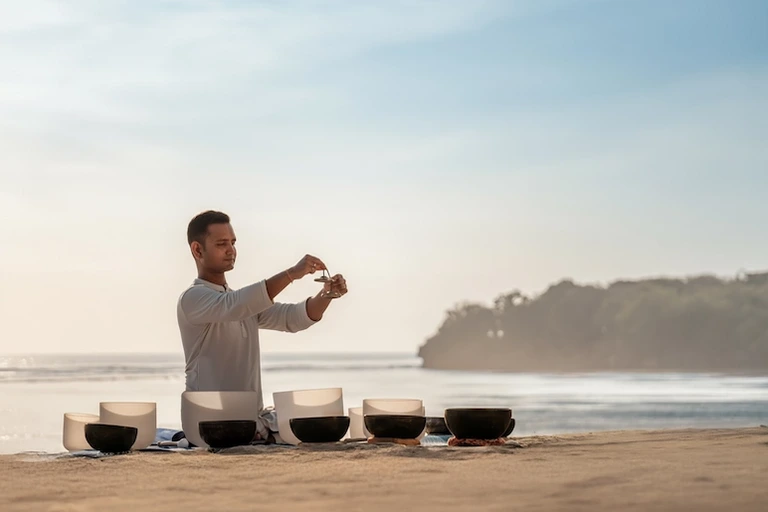
Travelers are increasingly redefining wellness beyond spa menus and fitness classes, and resorts across Asia are adapting quickly to that shift. In Bali, The Westin Resort Nusa Dua, Bali is responding to the growing demand for more personalized wellbeing experiences with the launch of its new “Wellness, Your Way” campaign for Global Wellness Day 2026.
The initiative reflects a broader hospitality trend toward flexible wellness travel designed around sleep, recovery, mindfulness, movement, and family connection rather than rigid wellness programs. This article contains affiliate links. We may earn a commission at no extra cost to you.
Key Facts
- Property: The Westin Resort Nusa Dua, Bali
- Location: Nusa Dua, Bali, Indonesia
- Distance from Airport: Approximately 12 kilometers from I Gusti Ngurah Rai International Airport
- Rooms & Suites: 432 guestrooms, suites, and family suites
- Dining: Seven restaurants and bars
- Meetings Venue: Home to Bali International Convention Centre (BICC)
- Capacity: Up to 10,000 delegates
- Campaign Launch: Global Wellness Day 2026
- Wellness Leadership: Dr. Jitendra Pokhriyal, Director of Wellness & Recreation
- Signature Experiences: Beachfront Ice Bath, mindful movement, recovery programs, wellness consultations
Key Takeaways
- Wellness travelers increasingly seek personalized rather than structured wellness experiences.
- Bali continues strengthening its position as a global wellness tourism destination.
- Resorts are blending recovery, mindfulness, fitness, and family travel experiences.
- Business travelers increasingly expect wellness integration during meetings and events.
- Sleep quality and stress recovery are becoming major travel wellness priorities.
What is The Westin Resort Nusa Dua, Bali launching?
The Westin Resort Nusa Dua, Bali has introduced “Wellness, Your Way,” a campaign centered on individualized wellbeing experiences tied to the brand’s Sleep Well, Move Well, and Eat Well philosophy.
Rather than focusing solely on traditional spa offerings, the program highlights flexible wellness journeys shaped by guest preferences and lifestyles.
The campaign includes recovery-focused activities, personalized consultations, mindful movement sessions, nutrition-driven dining, and family wellness experiences.
One of the standout experiences is the resort’s Beachfront Ice Bath program, where guests participate in guided breathing exercises before cold-water immersion sessions overlooking the Indian Ocean at sunrise.
The growing popularity of recovery-focused wellness reflects wider travel behavior shifts, particularly among younger luxury travelers and high-performance professionals seeking stress management and mental reset experiences.
Why does personalized wellness travel matter now?
The global wellness travel sector has evolved rapidly since the pandemic, with travelers increasingly prioritizing emotional wellbeing, sleep quality, burnout recovery, and meaningful personal experiences.
Hotels and resorts are responding by shifting away from standardized wellness packages toward customizable programs that allow guests to engage at their own pace.
At The Westin Resort Nusa Dua, Bali, this flexibility is becoming central to the guest experience.
Some visitors focus on fitness and physical performance. Others prioritize mindfulness, relaxation, digital disconnection, or family bonding.
The resort says wellness today is less about perfection and more about sustainability and balance during travel.
How is Bali strengthening its wellness tourism appeal?
Bali has become one of Asia’s most recognizable wellness tourism destinations, attracting travelers seeking holistic retreats, yoga programs, nature-based experiences, and luxury recovery-focused stays.
Nusa Dua, in particular, continues attracting both leisure and MICE travelers due to its concentration of international resorts, conference infrastructure, and beachfront setting.
The Bali International Convention Centre (BICC), located within The Westin Resort Nusa Dua, Bali, allows the property to combine wellness travel with large-scale meetings, incentives, and corporate events.
That crossover reflects a wider hospitality trend where business travelers increasingly expect wellbeing-focused amenities integrated into work-related travel.
Who is leading the resort’s wellness strategy?
The resort’s wellness programming is overseen by Dr. Jitendra Pokhriyal, Director of Wellness & Recreation.
According to the resort, personalized consultations are designed to help guests identify practical wellbeing approaches that extend beyond their stay in Bali.
The strategy reflects growing hospitality industry interest in longer-term wellness engagement rather than one-time spa experiences.
Under the campaign, guests can participate in guided runs, mindful movement classes, reformer Pilates, hot yoga sessions, tennis, recovery-focused wellness activities, and nutrition-oriented dining experiences.
What trend does this reflect in the hospitality industry?
Luxury wellness travel is becoming increasingly individualized.
Rather than offering fixed detox programs or highly structured itineraries, many hospitality brands are moving toward adaptable wellness ecosystems that support different lifestyles, energy levels, and travel motivations.
This shift is particularly visible among resorts targeting multigenerational travelers, solo wellness travelers, remote workers, and corporate groups.
The emphasis on sleep optimization, mental recovery, flexibility, and stress reduction also reflects rising traveler awareness around long-term wellbeing rather than short-term transformation trends.
About the Destination
Nusa Dua remains one of Bali’s leading luxury resort enclaves, known for its integrated beachfront resorts, international conference venues, and strong appeal among long-haul travelers.
The destination continues benefiting from Bali’s sustained tourism recovery and growing demand for wellness-oriented travel experiences across Southeast Asia.
Its proximity to I Gusti Ngurah Rai International Airport also supports short-stay luxury breaks, incentive travel, and international meetings tourism.
Bali’s hospitality sector has increasingly expanded into wellness-focused luxury positioning as competition intensifies across regional resort destinations.
Industry Insight
The launch of “Wellness, Your Way” reflects a broader hospitality industry shift toward customizable wellness ecosystems rather than rigid retreat-style programming.
For travelers, this means greater flexibility and more realistic wellbeing experiences integrated into everyday travel. For resorts, personalization is becoming a competitive differentiator as wellness tourism continues expanding globally.
The integration of wellness into meetings, family travel, and luxury leisure stays also signals how wellness is moving beyond niche tourism into mainstream hospitality strategy.
Check Availability
Travelers planning a wellness-focused Bali getaway can compare room rates and packages across Booking.com, Trip.com, Agoda, Expedia, and Klook before booking.
For travel wellness essentials, hotel tools, and travel accessories, readers can also explore:
https://www.paullotravel.com/products-we-recommend/
Travelers interested in this story may also enjoy:
The Anam Mui Ne Expands Wellness Travel With Champa-Inspired Spa Rituals
Marriott Brings Lefay Into Luxury Wellness Travel Push
Atlantis Sanya Expands Family and Wellness Experiences as Hainan Targets Summer Travel Growth
Club Med Kani Maldives to Host Mumcation Wellness Escape in November 2026
