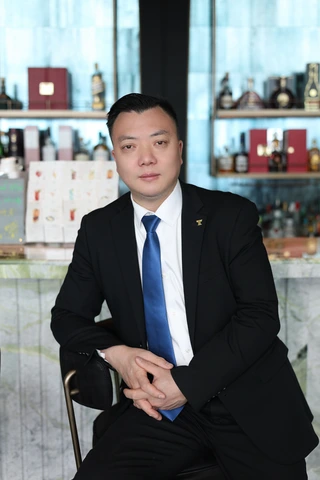
With more than two decades of experience in hotel food and beverage operations, Wilson Liu, Director of F&B Culinary at TFT Chongqing, Vignette Collection, has developed expertise in culinary management, banquet operations and menu development. Beginning his career at Sofitel Bo’ao in Hainan in 2003, Liu has progressed through various aspects of hotel F&B management, developing an approach that balances culinary standards, cost efficiency and team development. In this interview, he reflects on his career journey, discusses the changing demands of hotel dining and explores how Chongqing’s distinctive food culture influences menu development and the broader dining experience.
Part I: Interview
Career Journey & Leadership
1. What do you do at TFT Chongqing, Vignette Collection?
I am the F&B Culinary Director, responsible for overseeing culinary operations across the hotel’s dining outlets and banquet services. My responsibilities include menu development, food quality management, cost control, and team development, with a focus on maintaining consistent food standards and delivering a positive dining experience for our guests.
2. Tell us about your journey. How did it all begin?
My career began in 2003 at Sofitel Boao in Hainan, where I gradually developed my experience in French cuisine, banquet operations, and F&B management. Over the past two decades, I have worked with various hotel brands and been involved in a range of culinary and operational projects. My passion for cooking and commitment to quality have continued to drive my professional development.
3. Describe the training you have received and how it relates to this position.
At the beginning of my career, I received systematic training in French cuisine and hotel operations at Sofitel. I subsequently completed professional training in HACCP food safety, F&B cost control, operational management, and leadership development. These experiences have helped me grow from a culinary professional into a well-rounded manager, equipped to oversee food quality, operational efficiency, cost management, and team development.
4. Why are you interested in the F&B Director role, and what unique skills and experience can you bring to the hotel?
This role allows me to combine my culinary expertise with product innovation and operational management. With more than 20 years of experience in international hotels, I bring a strong understanding of culinary standards, menu development, and team management. I hope to combine established hotel management practices with Chongqing’s local food culture to create dining experiences that reflect regional character while meeting international standards.
5. What experience do you have in managing F&B operations?
I have extensive experience managing various F&B operations, including daily restaurant services, large-scale banquets, and multiple dining outlets. My management approach focuses on maintaining consistent food quality, controlling costs effectively, and encouraging close collaboration across teams. Through clear operational procedures, regular quality checks, and performance analysis, I aim to uphold standards while continuously improving operational efficiency.
6. How would you describe your leadership style?
My leadership style centres on setting clear goals while supporting the professional development of my team. I establish consistent standards and expectations, while helping team members strengthen their skills through on-the-job training, regular feedback, and practical experience. I believe a successful team needs not only clear standards but also opportunities to learn, develop, and grow.
Menu Development & Food Quality
7. Can you describe a successful menu development project?
I once led a banquet menu upgrade based on an analysis of guest preferences and the incorporation of seasonal local ingredients. We also refined the menu structure and introduced more customized options to better meet different client requirements. Following the upgrade, average banquet spending increased by approximately 15%, while interest in customized menus and repeat bookings also improved. This experience reinforced my belief that successful menu development must balance creativity, guest expectations, and business performance.
8. When is the best time to add new items to a menu?
Menu updates should take into account seasonal ingredients, guest preferences, and market trends. We regularly review sales performance and guest feedback to identify opportunities for improvement, while introducing special dishes around major holidays and seasonal occasions. Updating a menu is not simply about adding new items; it is equally important to refine existing selections and ensure consistent execution.
9. If you were to offer healthier choices to improve guest satisfaction, which foods would you recommend?
I believe healthy dining should strike a balance between nutritional value and flavour. We can introduce more steaming and sous-vide cooking methods, offer quality proteins alongside whole grains and seasonal vegetables, and develop local dishes with more balanced oil and salt levels. By incorporating healthier options naturally into the menu, we can cater to changing dietary preferences without compromising the dining experience.
10. How do you ensure the quality of food served in your restaurants remains consistent?
Consistency depends on standardized procedures and continuous quality supervision. We establish clear recipes and preparation standards for core dishes, supported by regular pre-service tastings, food quality inspections, and operational reviews. We also reinforce staff training and conduct position-specific assessments to ensure every team member follows the same standards. This helps us maintain reliable food quality across all dining operations.
Operational Management & Cost Control
11. Describe your experience in inventory management and cost control.
I focus on accurate inventory management and continuous cost monitoring. This includes following the FIFO (First In, First Out) principle, maintaining appropriate stock levels, and purchasing according to operational requirements. I also regularly review food costs, stock turnover, and gross margins to strike a balance between product quality and operational efficiency.
12. What challenges or trends do you think the F&B industry is facing?
The industry is increasingly focused on healthier dining, personalization, localization, and digitalization. At the same time, rising labour costs and market competition remain ongoing challenges. I believe the key is to combine local culinary culture, product innovation, and digital management to create distinctive dining experiences while improving operational efficiency.
Guest Relations & Team Collaboration
13. Can you give an example of dealing with a difficult client?
I once worked with a banquet client who requested several menu changes during the planning process. Rather than simply responding to each request individually, I took the time to understand their expectations and concerns. We arranged a tasting session and further refined the menu based on their feedback. In the end, the client was very satisfied with the arrangements. I believe effective communication and a genuine willingness to understand guests are essential to building trust.
14. How do you handle and resolve guest complaints?
My approach is to respond promptly, communicate openly, and follow through until the issue is resolved. I first listen carefully to understand the guest’s concerns, then coordinate with the relevant team members to find an appropriate solution. Afterwards, I review the matter with the team to identify areas for improvement and help prevent similar situations from happening again.
15. How do you communicate and collaborate with other departments or stakeholders?
Cross-departmental collaboration is essential to the smooth operation of F&B services. I maintain close communication with the Sales and Banquet teams during event planning, work with Purchasing and Finance on product and cost management, and coordinate with Front Office, Housekeeping, and Engineering whenever operational support is required. Clear communication and well-defined responsibilities help ensure that tasks are carried out efficiently.
16. What role does technology play in F&B management and operations?
Technology helps improve operational efficiency and management accuracy. Digital systems support inventory tracking and cost analysis, while professional kitchen equipment helps maintain consistent food quality. Guest feedback and preference records also provide valuable insights for product development. However, technology is there to support operations; creativity and genuine hospitality ultimately depend on people.
17. Tell us about your experience training staff.
I place great importance on practical training, covering culinary skills, food safety, and food preparation standards. Through on-the-job mentoring, regular assessments, and cross-training, team members can strengthen their skills and gain experience in different positions. I believe continuous training is essential to maintaining consistent quality and building a capable, well-rounded team.
18. How do you manage relationships with suppliers?
I evaluate suppliers based on product quality, delivery reliability, and consistency of supply. Clear acceptance standards and regular performance reviews help ensure that ingredients meet our requirements. I also value long-term partnerships built on mutual trust, as reliable suppliers play an important role in maintaining food quality and operational stability.
Performance Management & Team Development
19. What key performance indicators (KPIs) do you monitor in the F&B department?
I focus on four key areas: financial performance, food quality, operational efficiency, and team development. These include revenue, food costs, and gross margins; food quality inspection results and guest satisfaction; labour efficiency and banquet production efficiency; as well as staff training and retention. Together, these indicators provide a comprehensive picture of departmental performance.
20. Describe a time you successfully implemented a new process or system in the F&B department.
I have worked on standardizing key operational procedures across banquet services, covering event confirmation, menu approval, preparation, food production, and post-event closing. By establishing clear procedures and assigning responsibilities at each stage, the team can coordinate more effectively and reduce operational errors. This approach also helps maintain consistent service and food quality, even when staffing arrangements change.
21. What measures have you taken to minimize waste and promote sustainability in operations?
I focus on purchasing according to actual demand, setting standard ingredient portions, and making better use of available ingredients. We also encourage responsible food preparation and waste sorting, including the proper handling of kitchen waste. These measures help reduce unnecessary waste while improving resource utilization and operational efficiency.
22. What is your approach to managing inventory and ordering supplies?
I manage inventory through clearly defined stock standards, regular ordering schedules, and consistent receiving and storage procedures. We follow the FIFO principle to ensure ingredients are used in the correct order, while regular stock checks help maintain accurate inventory records. Fresh ingredients are generally purchased in smaller quantities and more frequently to preserve freshness and reduce waste.
23. In large-scale F&B operations, how do you balance the needs of different outlets?
I believe in maintaining consistent food quality and food safety standards across all outlets while allowing each one to reflect its own positioning and guest profile. Menus and product selections can be adjusted to suit the requirements of different dining concepts. At the same time, shared resources and effective communication help ensure smooth coordination across all outlets.
24. How do you handle guests’ special dietary requirements?
I pay particular attention to food allergies, vegetarian preferences, religious requirements, and health-related dietary needs. For guests with food allergies, clear labelling, separate preparation, and careful verification are essential to ensure food safety. For other dietary preferences, we work with the culinary team to provide suitable alternatives and personalized arrangements whenever possible.
25. Do you have experience with budgeting and financial forecasting?
I have experience in departmental budgeting and financial planning, covering revenue, food costs, labour expenses, and operational expenditure. Forecasts are developed based on historical performance, banquet bookings, and seasonal demand. I also regularly compare actual results against the budget, identify significant variances, and make adjustments where necessary.
26. What methods do you use to evaluate the success of promotions and events?
I evaluate promotions and events based on revenue performance, profitability, guest participation, repeat visits, and overall feedback. Beyond immediate results, I also consider their contribution to the hotel’s reputation and long-term customer relationships. A post-event review helps identify what worked well and what could be improved for future activities.
27. How do you motivate your team to consistently deliver excellent service?
I believe motivation comes from recognition, professional development, and a supportive working environment. I encourage the team through performance-based incentives, training opportunities, and clear career development paths. I also believe leaders should lead by example and remain actively involved in daily operations.
28. How do you create effective staffing plans within a busy restaurant schedule?
Staffing arrangements should be based on business forecasts, banquet schedules, and the operational requirements of each position. I plan shifts according to expected guest volumes and ensure team members receive cross-training whenever possible. This provides greater flexibility during peak periods and helps maintain smooth operations.
29. What role does employee engagement play in a successful F&B business?
Employee engagement has a direct impact on food quality, service standards, and operational efficiency. A motivated and stable team is more likely to take responsibility, collaborate effectively, and pay attention to detail. That is why I place great importance on staff development, open communication, and creating a positive working environment.
Banquet Management, Revenue Growth & Marketing
30. Describe your experience managing a large event or banquet.
Throughout my career, I have been involved in managing numerous large-scale banquets and catering events. One notable example was the 2015 Sichuan International Cultural Tourism Festival Welcome Dinner, held at Crowne Plaza Yibin in Sichuan, which featured a plated dinner for 300 guests.
The dinner brought together the Shunan Bamboo Sea Bamboo Feast and the local culture of Wuliangye liquor, highlighting regional specialties through a distinctive banquet experience. Guests from both China and overseas were introduced to the local bamboo banquet table culture and the distinctive flavours of Wuliangye liquor.
When managing multiple banquet halls simultaneously, I prepare production schedules, staff assignments, and ingredient preparation plans well in advance. I also maintain close communication with the Banquet, Sales, and front-of-house teams. Thorough preparation and effective on-site coordination help ensure that each event runs according to plan while balancing food quality and operational efficiency.
31. What strategies do you use to drive revenue growth in your department?
I focus on improving banquet performance, developing distinctive restaurant products, strengthening customer relationships, and working closely with the Rooms and MICE teams to identify cross-selling opportunities. At the same time, regular menu and product reviews help us optimize revenue and improve the overall profitability of our F&B operations.
32. Tell us about your experience developing menus, pricing, and promotions for restaurants or bars.
My experience covers menu development, product testing, cost calculation, pricing, and promotional planning. I first consider the restaurant’s positioning and target guests before developing and refining dishes through tasting and evaluation. Pricing decisions take into account ingredient costs, market positioning, and guest expectations, while promotions are built around seasonal themes and distinctive products.
33. Could you share an example of a successful F&B marketing campaign you’ve been part of?
I have participated in planning food promotions centred on local specialty ingredients. By developing limited-edition dishes, creating distinctive menus, and enhancing the dining experience, we have found ways to bring local food culture into hotel dining. These initiatives have helped increase restaurant traffic and revenue while raising awareness of our products. They have also reinforced my belief that distinctive, high-quality food products are the foundation of successful marketing activities.
For example, in 2017, at Yibin Luneng Crowne Plaza, our Raclette Cheese Steak sold more than 50,000 units in a single month. Another creative dessert, Shu Nan Bamboo Bird’s Nest, was featured on Dianping’s Must-Try Restaurant list.
In 2021, at Quanzhou Taihe InterContinental, our Fujian-style lobster satay noodles attracted diners to the buffet dinner, generating RMB100,000 in monthly revenue.
In 2025, at InterContinental Yining in Xinjiang, the Brown Beef Boat Naan Pizza recorded monthly growth of 80 sets through group-buying channels.
At TFT Chongqing, Vignette Collection, in 2026, we took a different approach by incorporating local flavours such as Kung Pao, Yu Xiang (fish-fragrant), and spicy flavours into a distinctive Chongqing-style breakfast wrap.
Several items on our Luxury Selection breakfast menu, including milk-leak Hua, signature waffles, and Eggs Benedict, also became popular choices among hotel guests.
Another initiative was to establish a distinctive selling proposition based on understanding what guests value, what we can deliver, and what competitors may find difficult to replicate. With this in mind, we introduced a brunch service running from 6:30 am to 1:30 pm.
From 6:30 am to 11:30 am, guests can enjoy an enhanced breakfast experience. At 11:30 am, the selection transitions towards lunch, featuring dishes such as Hainan chicken rice, Taiwanese braised pork rice, and a variety of noodle dishes, including buckwheat dumplings, Jiangtuan fish soup noodles, tendon and beef noodles, and kidney bean and pork knuckle noodles. Together, these form four signature offerings.
We also introduced our secret No. 2 chilli oil Chongqing-style mixed noodles, which quickly became a hit with guests. To complement the savoury flavours, we offered a fresh dragon fruit smoothie, demonstrating how food and beverages can be paired to create an enjoyable dining experience.
Beverage Management & Industry Trends
34. How do you ensure your team is knowledgeable about wines, spirits, and other beverages?
I encourage regular product training, tasting sessions, and knowledge sharing within the team. Staff should understand the characteristics, origins, and flavour profiles of different beverages, as well as the fundamentals of food and beverage pairing. This enables them to make informed recommendations and provide a more professional dining experience.
35. What experience do you have with menu engineering and pricing strategy?
I regularly review menu performance by analysing sales volumes, ingredient costs, and gross margins. This helps identify popular and profitable dishes, as well as items that may need to be adjusted or replaced. Pricing decisions take into account cost structures, target guests, and the restaurant’s market positioning, ensuring a balance between guest value and business performance.
36. How do you stay current with industry trends and developments to make informed decisions?
I stay informed through industry exhibitions, professional exchanges, market research, and guest feedback. I also pay attention to changes in consumer preferences and emerging dining concepts. Before introducing a new trend, I assess its relevance to our guests and operational requirements. Whenever possible, I prefer to test new ideas on a smaller scale before implementing them more widely.
37. How do you track and record guest feedback and dining preferences?
We collect guest feedback through daily communication with restaurant teams, service records, and guest preference information. Important details, such as dietary requirements and dining preferences, can be appropriately recorded to support future visits. We also regularly review online feedback to identify areas for improvement while respecting guest privacy.
Daily Operations & The Dining Experience
38. If we visited your hotel on an ordinary day, what would we see you doing?
My daily routine involves staying closely connected with operations. I regularly check ingredient quality, inspect kitchen procedures, taste dishes, and review food safety standards. I also coordinate banquet arrangements, communicate with different departments, support staff training, and review operational performance to ensure everything runs smoothly.
39. Describe your process for conducting food and beverage audits.
My audits focus on food safety, product quality, inventory management, and compliance with operational procedures. Through daily checks and periodic focused reviews, I assess key processes, from ingredient receiving and storage to food preparation and final presentation. Any issues identified are documented, assigned for corrective action, and followed up to ensure they are properly resolved.
40. What are your favorite food and beverage items on our menu?
I particularly appreciate dishes that showcase Chongqing’s local ingredients and distinctive flavours while incorporating creative culinary techniques. I also enjoy beverages that use regional ingredients to establish a connection with local food culture. For me, the most appealing offerings are those that reflect the character of the destination while maintaining high standards of quality.
41. What do you think is the most important aspect of customer service?
I believe the most important aspect is understanding and respecting each guest’s individual needs. Professional service should be accompanied by genuine care and attention to detail. By listening carefully and responding appropriately, we can create a more personal and memorable dining experience.
42. How often do you think a menu should be updated?
Menu updates should be guided by seasonal changes, market trends, and guest feedback. We regularly review menu performance and make adjustments when necessary, rather than changing dishes simply for the sake of introducing something new. The goal is to keep the menu relevant while maintaining product quality and operational consistency.
43. A new food trend has emerged, but you don’t feel it would appeal to the hotel’s target audience. How do you decide whether to add it to the menu?
I would first assess whether the trend aligns with our target guests and the hotel’s positioning, then consider its market potential, product lifecycle, and operational costs. If there is potential but some uncertainty, we could introduce it as a limited-time offering and evaluate actual guest feedback and sales performance before deciding whether to expand it.
44. What do you think is the most important factor in creating a great dining experience?
A great dining experience comes from the combination of food quality, atmosphere, and service. Consistent food quality builds guest confidence, while a comfortable environment and thoughtful service make the experience more enjoyable. Attention to small details and unexpected touches can further enhance the overall experience and leave a lasting impression.
Personal Interests & Career Advice
45. What are your interests outside of work?
Outside work, I enjoy exploring local markets and distinctive restaurants, as they often provide inspiration for new dishes and culinary ideas. I also enjoy sports and travelling. Visiting local food markets and experiencing regional food cultures is one of my favourite ways to discover new ingredients and creative possibilities.
46. What advice would you give to young people entering this industry?
I would encourage young people to remain passionate, patient, and committed to continuous learning. Building strong professional skills takes time, so it is important to gain practical experience and establish a solid foundation. At the same time, food safety and professional integrity should always come first. A successful career in this industry is built on dedication, experience, and a willingness to keep improving.
Part II: The Rapid-Fire Round
1. What is the one thing you cannot tolerate in a kitchen?
Not following the standard. Cutting corners or skipping steps — that I can teach. But disrespecting the standard? That’s unforgivable.
2. What three ingredients are always in your fridge?
Eggs, garlic and dried chillies — one is versatile, one lifts the soul, and one is my tribute to Chongqing.
3. If you had to represent yourself with one dish, what would it be?
A reimagined traditional dish — rooted in tradition, alive with innovation. Just like me: I honour heritage, but I don’t live in the past.
4. What internet-famous dish would you most want to delete from a menu?
The ones that are all looks and no flavour — five minutes of photos, half a day of kitchen labour. Good looks are a bonus; good flavour is the bare minumum.
5. Knife skills, heat control, seasoning—if you had to pick just one as the most important, which would it be?
Seasoning. Knife skills and heat control raise the ceiling; seasoning makes or breaks the dish—what guests remember is always the flavour.
6. What do you most want to eat after a late shift?
A steaming bowl of Chongqing xiaomian noodles, extra chilli. After more than twenty years in this trade, that late-night bowl of noodles is what soothes my soul.
7. What’s the one thing you say to your team most often?
“Before a dish leaves the kitchen, ask yourself: would you dare serve this to your own mother?”
8. What’s the one thing you dread hearing a guest say?
“It was okay, I guess.” — no complaint, but no delight either. For an F&B Director, that’s the loudest alarm of all.
9. If the restaurant suddenly closed for a day tomorrow, where would you go to eat?
I’d wander through the wet market, then find a small street-side place and order the home-style dish all the locals are eating. Watching how other people cook teaches me more than watching my competitors.
10. What’s the shortest piece of advice you’d give a young chef?
“Learn to endure first, then learn to lead; build your foundation first — otherwise inspiration is just a castle in the air.”
And if I could keep only five words: Stay steady. Don’t cut corners.
Related Coverage
Read our full collection of travel interviews with industry leaders and hospitality experts.
