This article contains affiliate links. We may earn a commission at no extra cost to you.
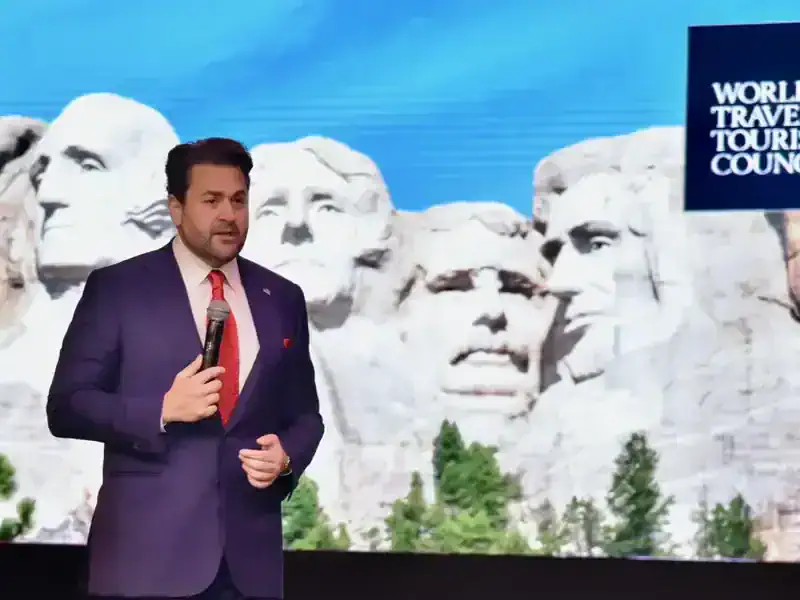
The United States is signaling a stronger political focus on tourism at a time when global travel competition is intensifying. The World Travel & Tourism Council (WTTC) recently welcomed His Excellency Nick Adams for his first major international public address since assuming the newly created role, highlighting a growing push for public-private cooperation in the tourism sector.
The move comes as the U.S. prepares to host major global events including the G20 and the FIFA World Cup, while also seeking to strengthen its position as the world’s largest Travel & Tourism economy. Industry leaders say the appointment reflects a broader shift toward treating tourism as a strategic economic and geopolitical priority.
Key Facts
- Organization: World Travel & Tourism Council
- Location: Global Travel & Tourism sector
- Announcement: First major international speech by U.S. tourism envoy
- Market Size: U.S. Travel & Tourism GDP valued at $2.63 trillion
- Key Highlight: Increased public-private collaboration for tourism growth
Key Takeaways
- The U.S. created its first Special Presidential Envoy for Tourism.
- WTTC is strengthening government-industry tourism cooperation.
- FIFA World Cup tourism preparations are accelerating.
- Tourism is increasingly viewed as a strategic economic sector.
- Travelers could see expanded U.S. destination promotion globally.
What is this development?
The appointment of Nick Adams marks a notable change in how the United States engages with global tourism policy and international travel partnerships.
Speaking during a WTTC leadership event, Adams outlined priorities focused on tourism investment, destination competitiveness, policy coordination, and international cooperation. The discussions also emphasized the role tourism can play in economic growth and job creation.
According to WTTC, the U.S. Travel & Tourism sector currently represents $2.63 trillion in GDP, making it the largest tourism economy globally. The organization said stronger alignment between governments and private companies will be essential as destinations compete for visitors, infrastructure investment, and aviation growth.
Why does this matter for travelers?
For international travelers, the development could translate into expanded tourism promotion, improved visitor infrastructure, and easier travel coordination tied to upcoming global events in the United States.
The U.S. is preparing for a major influx of visitors linked to the FIFA World Cup and America 250 celebrations. Adams stated that the administration aims to help the country reach 100 million annual international visitors by 2030.
That ambition may drive additional investment in airports, hospitality, tourism marketing, and destination experiences across the country.
How does it impact the travel industry?
The WTTC event highlighted how governments are becoming more directly involved in tourism strategy after years of pandemic recovery efforts.
Industry executives increasingly view tourism as a long-term economic engine rather than simply a leisure sector. WTTC leaders noted that Travel & Tourism currently contributes $11.6 trillion to global GDP and supports 366 million jobs worldwide.
WTTC Chairman Manfredi Lefebvre said stronger global coordination would be critical as the industry shifts from recovery toward resilience and competitiveness.
WTTC Expands Focus on Government Partnerships
The organization’s latest discussions build on momentum from its recent leadership meetings in Egypt, where tourism recovery, regional investment, and long-term resilience were key themes.
WTTC President & CEO Gloria Guevara described the creation of the U.S. tourism envoy position as a strong signal that governments are elevating tourism policy to national strategic importance.
The participation of senior U.S. officials also reflects increasing global competition between destinations seeking larger shares of international visitor spending.
About the Destination
The United States remains one of the world’s most influential travel markets, attracting visitors through major cities, national parks, entertainment hubs, and global events. Upcoming milestones such as the FIFA World Cup and America 250 celebrations are expected to significantly boost inbound tourism demand.
Destinations across the country are also investing heavily in hospitality infrastructure, aviation connectivity, and tourism experiences as international travel continues to recover and evolve.
Industry Insight
Governments worldwide are becoming more involved in tourism leadership as destinations compete for post-pandemic travel growth. National tourism strategies are increasingly linked to infrastructure investment, aviation expansion, and economic development goals.
For travelers, this trend could mean improved tourism services and expanded destination marketing. For businesses, it signals growing opportunities in hospitality investment, large-scale events, and international travel partnerships.
Check Availability
Travelers planning future U.S. trips should compare accommodation and package prices across platforms including the followings for the best available rates:
• Book hotels on Booking.com
• Find hotel deals on Agoda
• Compare hotel prices on Trip.com
• Search hotel deals on Expedia
• Explore tours and travel experiences on Klook
Travel Tools We Recommend
Frequent travellers often rely on practical travel gear and booking tools to make trips smoother and more efficient. Explore our curated list of travel tools we recommend, including luggage, insurance, and useful travel products like Priority Pass frequently used on our trip.
This backpack is also featured in our curated travel gear recommendations for frequent travelers:

Related Coverage
Travelers interested in this story may also enjoy:
RateGain Launches FIFA World Cup 2026 Travel Demand Dashboard for Host Cities
Trending Travel Destinations 2026–2027: Countries Driving Global Tourism Growth
Expedia Group Research Reveals Travelers Drive Non-Travel Spending
