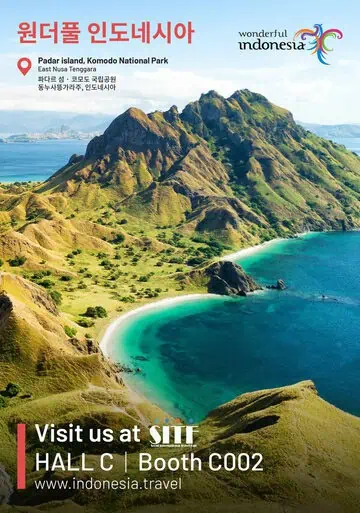
Indonesia is intensifying efforts to attract South Korean travelers as competition for Asian outbound tourism continues to grow. At the 41st Seoul International Travel Fair (SITF) 2026, the Ministry of Tourism Indonesia is using the event to showcase destinations beyond Bali while promoting new luxury, sustainable, and experience-driven travel offerings across the archipelago. This article contains affiliate links. We may earn a commission at no extra cost to you.
Key Facts
- Organization: Ministry of Tourism Indonesia
- Event: Seoul International Travel Fair (SITF) 2026
- Location: COEX Convention & Exhibition Center, Seoul, South Korea
- Tourism Brand: Wonderful Indonesia
- Campaign: Go Beyond Ordinary
- Focus Areas: Sustainable tourism, luxury travel, marine tourism, premium experiences
- Industry Participation: Eight Indonesian tourism companies and hospitality brands
- Target Market: South Korean outbound travelers
Key Takeaways
- Indonesia is strengthening tourism ties with South Korea.
- The campaign encourages travel beyond Bali.
- Luxury and sustainable tourism remain key priorities.
- Marine tourism receives increased promotional focus.
- Korean outbound demand remains strategically important.
What Is This Development?
Indonesia is using SITF 2026 as a major platform to increase visibility in one of Asia’s most important outbound travel markets. South Korea has long been a valuable source market for Southeast Asian destinations, and tourism boards across the region are competing aggressively for Korean travelers seeking premium experiences and short-haul international holidays.
Under its “Wonderful Indonesia” branding, the Ministry of Tourism Indonesia is introducing the “Go Beyond Ordinary” campaign to highlight a broader range of destinations and experiences across the country.
The strategy reflects a growing effort to diversify international visitor flows beyond Bali and distribute tourism benefits across multiple regions.
Why Does This Matter for Travelers?
Travel demand is increasingly shifting toward experience-led journeys rather than traditional sightseeing itineraries.
Indonesia’s latest campaign focuses on immersive travel, eco-tourism, marine adventures, cultural experiences, and luxury hospitality offerings that appeal to travelers looking for deeper connections with destinations.
For Korean travelers, the initiative introduces alternative destinations that offer different experiences from Indonesia’s most established tourism hubs.
The campaign also highlights customized travel packages and premium accommodation options designed to meet evolving traveler expectations.
Indonesia Showcases Diverse Tourism Experiences
The Indonesian Pavilion will feature tourism companies representing several regions and travel segments.
Participating organizations include Lombok-based operator Nara Shin Jaya and Bali destination management company White Tiger Bali, both promoting customized travel experiences for international visitors.
Hospitality representation includes Batam View Beach Resort and Menjaga Bay Resort in Flores, showcasing tropical resort stays and eco-tourism experiences.
North Sulawesi will be promoted by Grand Luley Hotel and Marketing Highland, highlighting the region’s growing reputation as a marine tourism and diving destination.
Tugu Hotel and Restaurant will present heritage-focused luxury hospitality experiences that combine Indonesian culture, art, and accommodation.
Indonesia’s lifestyle and culinary sector will also be represented through Ismaya Group, reflecting the increasing role food tourism plays in travel decision-making.
What Trend Does This Reflect?
The campaign aligns with a broader tourism industry trend toward destination diversification.
Many tourism authorities are working to reduce concentration in flagship destinations while encouraging visitors to explore secondary and emerging locations.
Indonesia’s focus on destinations beyond Bali mirrors similar strategies seen across Asia, where governments are seeking more sustainable tourism growth and wider economic benefits.
The emphasis on marine tourism, eco-tourism, luxury experiences, and personalized travel also reflects changing traveler preferences following years of rapid tourism recovery.
Business Engagement Remains Central
Alongside consumer-focused promotions, Indonesia will conduct business-to-business meetings, destination presentations, and networking activities with Korean travel agencies and industry stakeholders.
These engagements are designed to strengthen tourism partnerships, increase market visibility, and expand distribution channels for Indonesian tourism products within South Korea.
Such collaborations remain important as destinations compete for market share in a rapidly evolving Asian travel landscape.
About the Destination
Indonesia remains one of Southeast Asia’s most diverse tourism destinations, spanning thousands of islands and offering everything from luxury resorts and cultural heritage sites to world-class diving and adventure tourism.
While Bali continues to attract international attention, destinations such as Flores, Lombok, Batam, and North Sulawesi are seeing increased tourism investment and promotional support.
Improving connectivity, growing luxury hospitality development, and rising demand for experiential travel are helping drive interest in emerging Indonesian destinations.
Industry Insight
Indonesia’s SITF 2026 participation highlights a broader shift in global tourism marketing away from destination awareness and toward experience differentiation.
Travelers increasingly seek authentic, sustainable, and personalized journeys, prompting tourism boards to showcase niche experiences rather than relying solely on iconic destinations.
For the hospitality sector, this creates opportunities for secondary destinations to attract higher-spending visitors and diversify tourism revenues.
The strategy also signals intensifying competition among Asian destinations for South Korea’s valuable outbound travel market.
Check Availability
Travelers considering an Indonesian getaway can compare accommodation and package prices across Booking.com, Trip.com, Agoda, Expedia, and Klook to find the best available deals and promotions.
Comparing multiple booking platforms remains one of the most effective ways to identify competitive rates, package inclusions, and flexible cancellation options.
Travel Tools
Before booking your trip, explore useful travel products, booking tools, and travel essentials here:
Travelers Interested in This Story May Also Enjoy:
South Korean Travel Soars: Japan Dominates as Vietnam’s Islands See Record Demand
Regent Bali Canggu Opens in Indonesia as First Regent Resort
Marriott Bonvoy Mandiri Credit Card Launches in Indonesia as First Southeast Asia Co-Brand
Indonesia’s International Visitor Spend to Reach a Record-Breaking IDR 344TN in 2025
Grand Mercure Brand Debuts Batam, Indonesia
