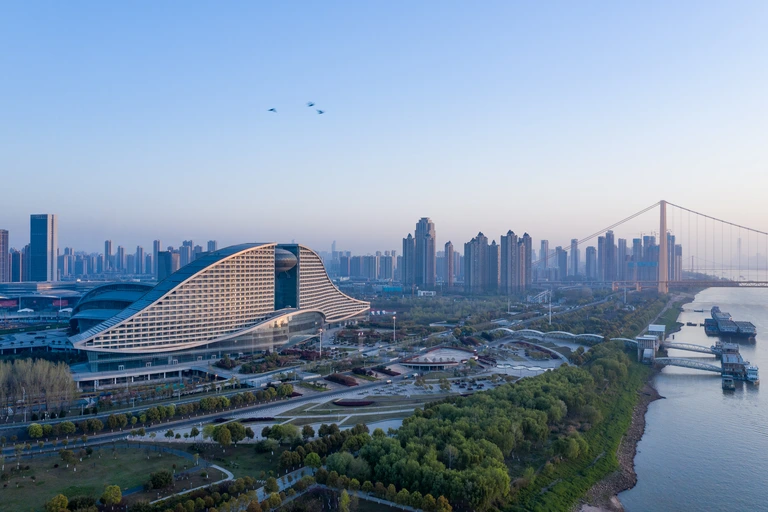
InterContinental Wuhan is enormous. Yet after staying in a Premium Riverview Suite and touring the entire hotel and convention complex, what stayed with me was not simply its extraordinary scale, but how comfortable the hotel feels as a place to stay.
My suite came with two balconies overlooking the Yangtze River, and I found myself spending time on the balcony every day simply taking in the view. At night, the illuminated Yangsigang Yangtze River Bridge created an entirely different backdrop. Despite the hotel’s busy convention activity downstairs, my room remained remarkably quiet, with excellent sleep quality and attentive housekeeping throughout my stay.
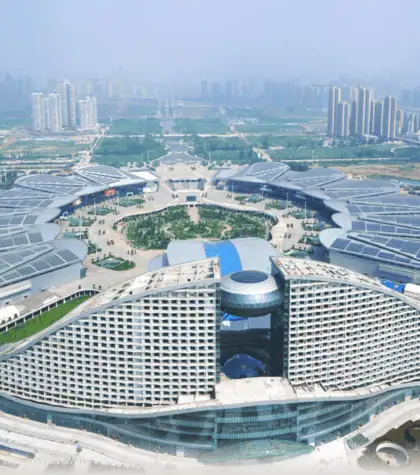
I also toured Holiday Inn & Suites Wuhan International Expo and the adjoining Wuhan International Convention Center, including its enormous 6,000-square-metre pillarless Grand Ballroom. Together, the two hotels and convention facilities form one of Wuhan’s most substantial integrated hospitality and events complexes.
But this review is not simply about how big the complex is. It is about what it is actually like to stay here — and why, beyond its obvious appeal to conference and exhibition guests, InterContinental Wuhan has considerable merits of its own.
At a Glance
InterContinental Wuhan
- Best for: Luxury travellers, business travellers, executives, VIPs and conference delegates
- Rooms: 485
- My room: Premium Riverview Suite
- Standout feature: Two balconies overlooking the Yangtze River
- Dining: Han Café, YUE Chinese Restaurant and Lobby Lounge
- Meetings: 800 sq m pillarless ballroom
- Leisure: Fitness centre and swimming pool
- Overall impression: Spacious, comfortable and highly capable, with a spectacular riverside setting
Holiday Inn & Suites Wuhan International Expo
- Best for: Families, longer stays, business travellers and value-conscious conference delegates
- Rooms: 473
- Suites: 87 rooms with kitchens
- Standout feature: Spacious accommodation with selected cooking and laundry facilities
- Views: Yangtze River and Expo New City
- Overall impression: Contemporary, spacious and practical
Shared Advantage
Both hotels are integrated with the Wuhan International Expo Center and Wuhan International Convention Center, creating one of Wuhan’s most substantial hotel-and-events complexes. The convention centre contains a 6,000 sq m pillarless Grand Ballroom and 65 additional function rooms.
- Compare hotel prices on Trip.com
- Book hotels on Klook
- Disclosure: Affiliate links included. We may earn a commission at no extra cost to you.
Arrival: A Grand First Impression
My arrival began at Hankou High-Speed Railway Station, where the hotel had arranged a car to collect me.
That immediately made the journey effortless.
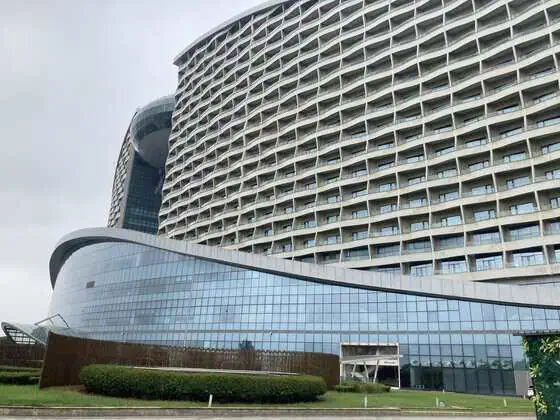
More importantly, the hotel made a strong visual impression before I even arrived. As the car approached, the scale and architecture of InterContinental Wuhan were already apparent.
The hotel is part of Wuhan International Expo New City in Hanyang and is integrated into the Wuhan International Expo complex.
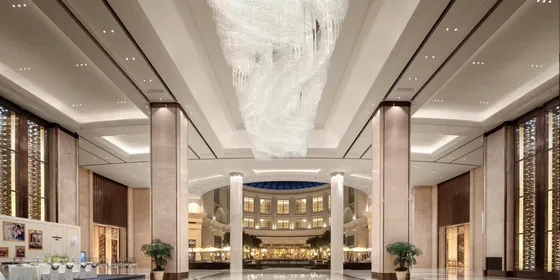
The lobby continues that sense of scale.
It is super grand — exactly the sort of arrival space you would expect from a hotel designed to accommodate major conventions, exhibitions and large groups.
Despite the size, my check-in was efficient and professional. I received a welcome drink coupon and directions to the hotel’s food and beverage facilities.
The concierge also assisted with my luggage.
A Guest Relations Officer, Winnie, then personally escorted me to my room.
It was a polished arrival, but what I appreciated most was that the service did not feel overly theatrical. Throughout the stay, the staff generally delivered service naturally and professionally.
The Premium Riverview Suite: Where the Hotel Really Won Me Over
What surprised me most was how quiet the suite remained despite the scale and activity of the complex.
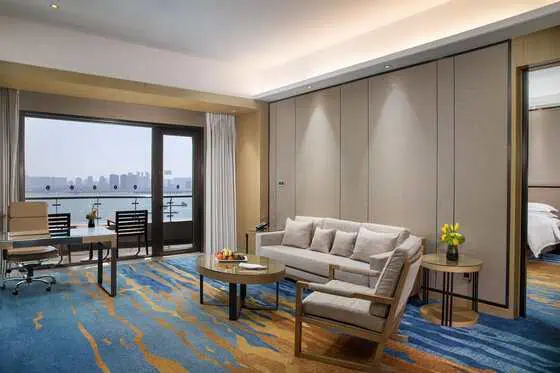
The Premium Riverview Suite was super large, and the first thing that caught my attention was the Yangtze River view.
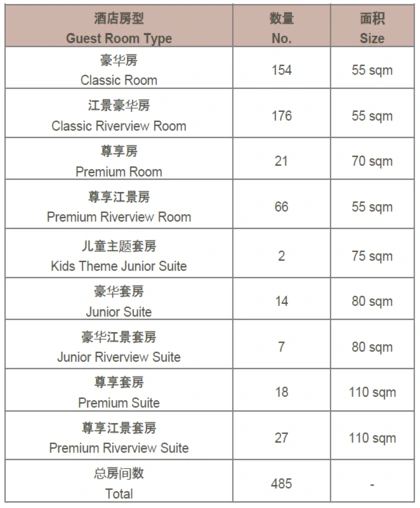
InterContinental Wuhan’s guestroom inventory ranges from 55 sq m rooms to 110 sq m suites, with the hotel specifically highlighting river views and private balconies.
My suite took that concept considerably further.
It had two balconies — one connected to the living room and another to the bedroom.
I cannot remember the last time I stayed in a hotel room with this much space and two separate balconies.
The living room was particularly spacious, with the seating arranged comfortably rather than simply filling a large room with furniture.
The overall design was contemporary and comfortable rather than aggressively luxurious.
And that distinction matters.
What stayed with me most was not the decoration but the sheer amount of space. I found myself spending time on the balcony every day simply watching the Yangtze.
Other Room Types at InterContinental Wuhan
Waking Up Beside the Yangtze
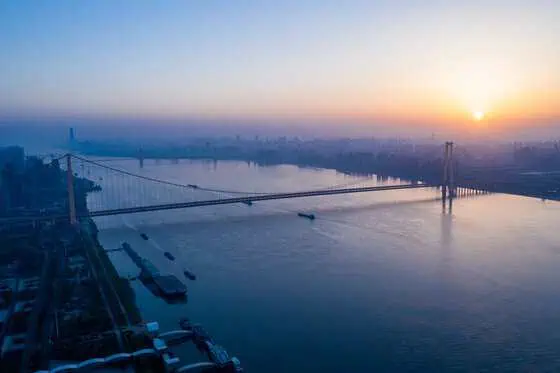
The Yangtze is the defining feature of the stay.
From the suite, I could see at least three bridges, (Wuhan has a total of twelve bridges), with the Yangsigang Yangtze River Bridge becoming particularly spectacular after dark.
Its illuminated structure created a dramatic night-time view from the room.
During the day, I regularly spent time on the balcony simply enjoying the view.
That became one of my favourite parts of the stay.
The hotel presentation describes its river-view guestrooms as having broad views and individual balconies, and this was one occasion where the promotional description matched the actual experience.
There is something different about having a major river directly outside your room.
You can sit on the balcony in the morning, watch the city move around the river and then return at night to see the bridges illuminated.
For me, this transformed the hotel from a convention property into a genuine Wuhan experience.
A Bedroom Designed for a Good Night’s Sleep
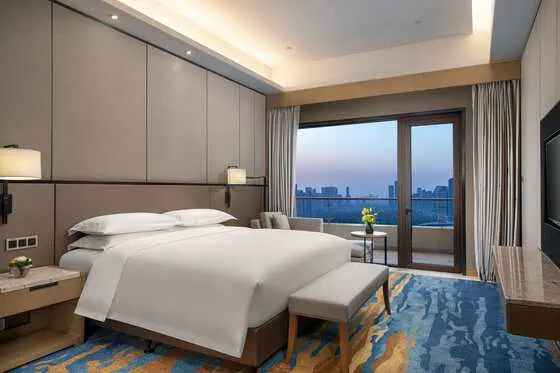
The bedroom was equally spacious.
The bed was large and extremely comfortable, and my sleep quality was excellent.
That may sound like a basic requirement for a luxury hotel, but it is one of the areas where a hotel either gets the fundamentals right or does not.
InterContinental Wuhan got them right during my stay.
Surprisingly Quiet Upstairs
The hotel can be extremely busy downstairs. During my stay, the lobby was active with guests arriving for conventions and events. Yet that activity barely followed me upstairs.
My room was remarkably quiet. I heard no noticeable traffic noise, and the corridors remained peaceful. Housekeeping also checked in each evening about turndown service without disturbing the calm atmosphere.
For a hotel of this scale, that separation between the busy public areas and the quieter guestrooms was particularly well executed.
Housekeeping was also attentive.
Every evening, the team checked whether I wanted turndown service. The room remained clean and well maintained throughout my stay.
A Practical Suite for Business Travellers
The suite was not simply large; it was also practical.
The work desk was spacious and well organised, with a well-equipped charging and power setup.
Wi-Fi was fast, while the television included CNN International.
Lighting and in-room technology were also straightforward and worked well.
For business travellers, this is important.
A beautiful room is less useful if the workspace is an afterthought. Here, the suite worked equally well as somewhere to relax and somewhere to work.
The second balcony extends the living space outdoors with expansive Yangtze River views
Bathroom: Spacious and Well Executed
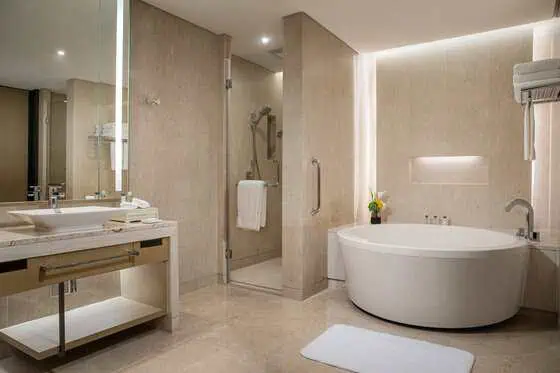
The bathroom continued the generous proportions of the suite.
It had a large separate bathtub and walk-in shower, with excellent water pressure and temperature during my stay.
The layout was particularly good, making the bathroom feel spacious rather than simply fitting multiple fixtures into a large footprint.
The toiletries were automated, adding another modern touch.
There was little to criticise here.
If anything, the bathroom reinforced the impression created by the bedroom: this is a hotel that benefits considerably from giving guests space.
Service: Professional Without Being Overly Formal
Service was consistently professional.
What stood out was the fact that it generally felt natural rather than performed.
The Club InterContinental team was particularly good, delivering the level of attentive service I have come to expect from the brand.
Service at Han Café was also very good.
During dinner, the team recommended several Wuhan favourites, which added a useful local dimension to the dining experience.
The service was occasionally very attentive, particularly during evening turndown and at the Club Lounge. For travellers who prefer a more hands-off hotel experience, the level of attention may feel slightly more proactive than necessary. For me, however, it remained within the boundaries of good hospitality.
Breakfast at Han Café
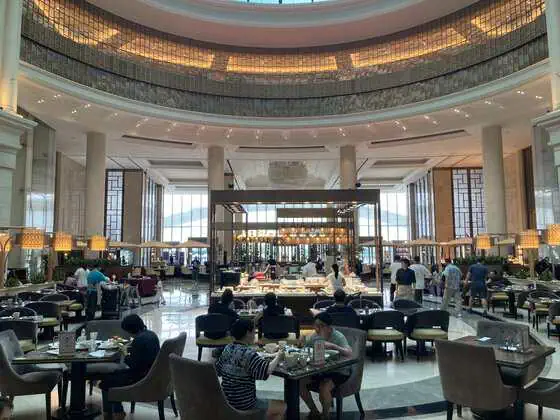
Breakfast was served at Han Café, the hotel’s all-day dining restaurant.
The restaurant itself is huge and grand, which is appropriate for a property handling large conferences and groups.
There were plenty of guests during breakfast, but the restaurant’s size prevented it from feeling excessively crowded.
The food quality was very good, with a broad selection covering Wuhan and regional Chinese favourites alongside Western options.
For me, that balance worked particularly well.
It means international guests can find familiar breakfast choices while visitors wanting to experience local cuisine can explore something different.
Service was also efficient. Tables were cleared promptly after guests left, helping maintain the restaurant’s sense of order despite the number of diners.
Discovering Wuhan Through the Restaurants
I also tried the YUE Chinese restaurant and Lobby Lounge during my stay.
At the Chinese restaurant, the fish ball soup was a dish I would recommend. I also tried Wuhan’s famous hot dry noodles, one of the city’s signature foods.
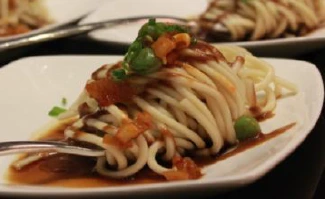
This local culinary element is important because a large international hotel can sometimes feel disconnected from its destination. Here, the opportunity to sample Wuhan dishes within the hotel helped make the stay feel more connected to the city.
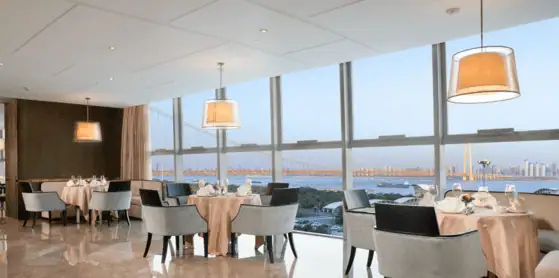
Lobby Lounge
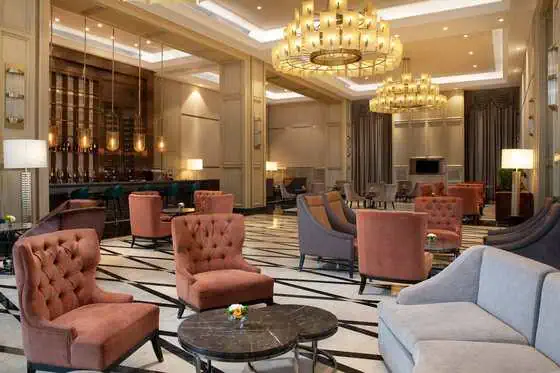
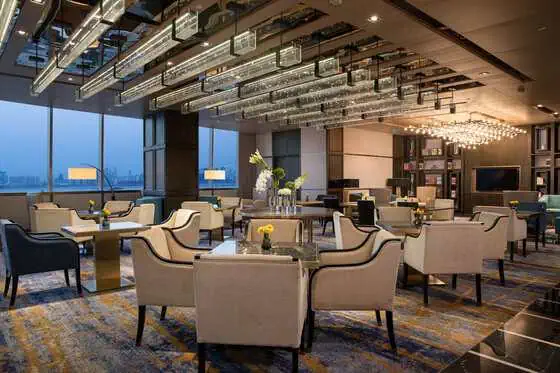
The Lobby Lounge offers a distinctly different experience from the hotel’s restaurants. Its elegant European-style design creates a more relaxed setting for afternoon tea, coffee, light bites and evening drinks.
Guests can choose from English and Chinese teas, sweet and savoury snacks, gourmet coffees and other refreshments. On selected nights, live jazz music adds to the atmosphere, while the wine and cigar lounge provides a more intimate setting for guests looking to unwind.
For me, the Lobby Lounge is particularly suited to the quieter moments between meetings or after a busy day exploring the expansive hotel and convention complex. It provides somewhere to sit back rather than another place to dine in a hurry.
Club InterContinental
I also visited Club InterContinental.
The experience was consistent with other Club InterContinental lounges I have experienced: attentive, polished and discreet.
The hotel’s own description positions the club as a “hotel within a hotel”, designed to provide a more private environment for business activities and social occasions.
For executives and frequent business travellers, this is a useful additional layer of service.
Leisure Facilities: More Than a Convention Hotel
One concern with a hotel built around major MICE facilities is that leisure amenities can become secondary.
That was not my impression here.
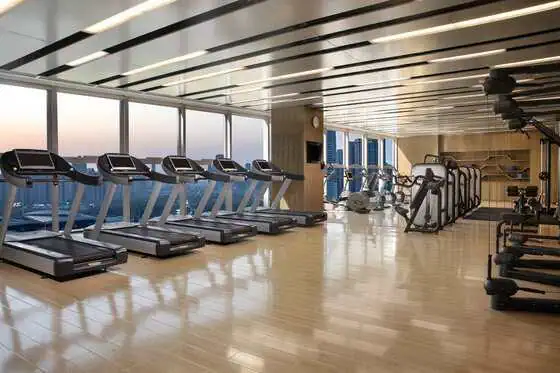
I did not use the gym for a workout, but I visited it and found it very well equipped. The hotel’s presentation also identifies a fully equipped fitness centre with Technogym equipment.
I also visited the swimming pool, which was well maintained.
Perhaps more interestingly, there was a children’s area.
That small detail says something about the hotel’s broader positioning.
Although InterContinental Wuhan is clearly a major MICE hotel, the facilities are not designed exclusively around corporate travellers. Families can also find reasons to enjoy the property.
Then There Is the Convention Centre
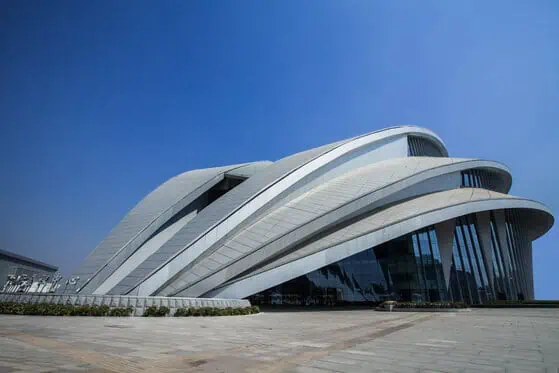
If the Premium Riverview Suite was the highlight of the hotel stay, the Wuhan International Convention Center was the highlight of the wider tour.
I toured the whole complex, including both hotels and the convention centre. One of the largest hotel-and-convention complexes I have personally encountered.
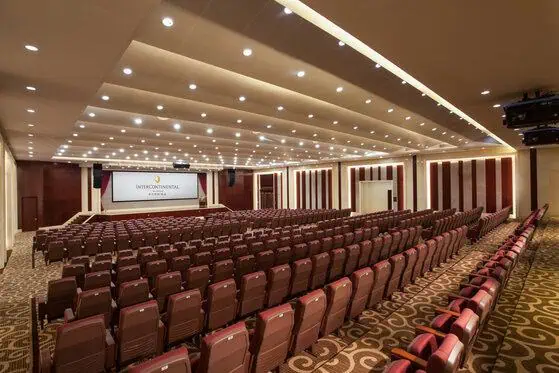
The convention centre has a building area of approximately 100,000 sq m and contains 65 additional function rooms ranging from 85 to 800 sq m.
But the numbers become almost meaningless when you actually stand inside the largest spaces.
The 6,000-Square-Metre Grand Ballroom
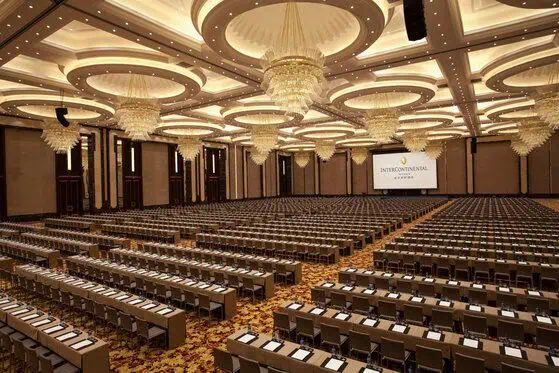
The Grand Ballroom is the largest single ballroom I have personally seen. Standing inside it is one of those moments when statistics suddenly become tangible.
——婚宴红色.webp)
Even the rooms described as “smaller” in the convention centre are substantial. The centre includes two 800 sq m function rooms, 29 rooms of around 400 sq m and another 30 spaces ranging from 60 to 300 sq m.
This is clearly designed for events on a scale far beyond the typical hotel conference.
During my checkout, I could see teams preparing the venue for a major medical exhibition scheduled for the following day.
That provided a useful real-world reminder of what the complex is built to do.
The Convention Centre and Hotels Work as One
What impressed me most was not simply the size of the convention centre.
It was how well the various components work together.
The convention centre is connected with the hotels, while dining venues and accommodation are integrated into the same complex.
That makes the arrangement particularly convenient for large events.
A delegate can attend a conference, return to the hotel, dine, relax and return to the meeting venue without navigating across a city.
For organisers, the two hotels also provide different accommodation levels.
InterContinental Wuhan has 485 rooms, including Premium and Premium Riverview categories up to 110 sq m, while Holiday Inn & Suites Wuhan International Expo contributes another 473 rooms.
That gives event planners considerably more flexibility.
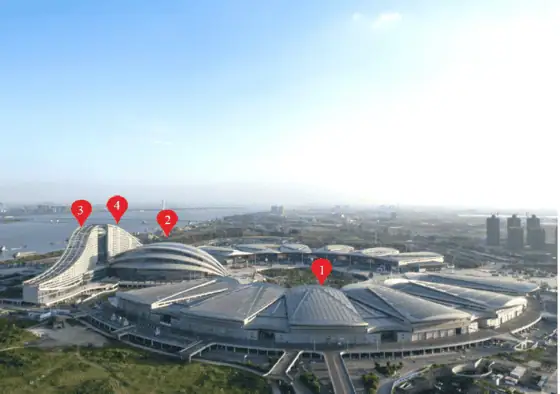
- Wuhan International Expo Center
- International Convention Center
- InterContinental Wuhan
- Holiday Inn & Suites Wuhan International Expo
Holiday Inn & Suites Wuhan International Expo: The Practical Counterpart
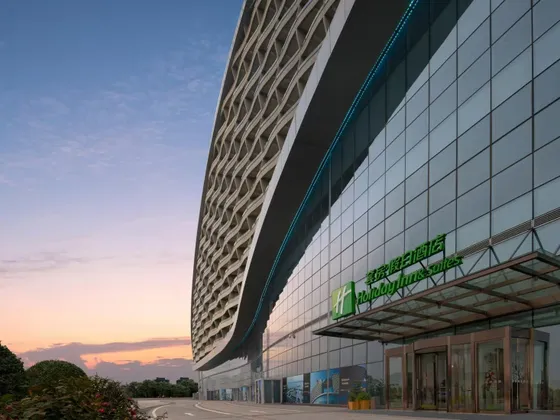
My hotel tour also included Holiday Inn & Suites Wuhan International Expo.
The first thing that struck me was the sheer size of its reception area.
Even by Holiday Inn standards, it is substantial.
The design is simpler than InterContinental Wuhan, but the rooms remain impressively spacious.
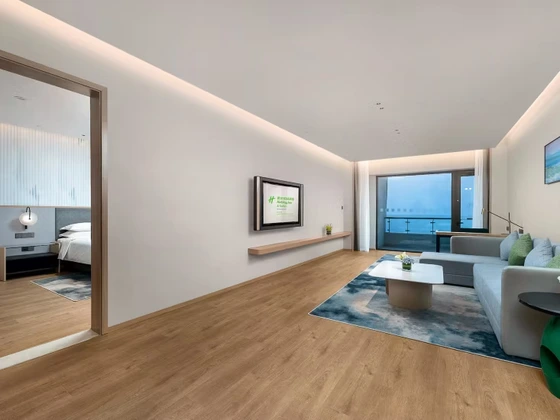
The hotel has 473 rooms, with standard rooms starting at 50 sq m and river-view rooms at 60 sq m. Its suite inventory includes 72 standard suites at 60 sq m and 15 premium suites at 105 sq m.
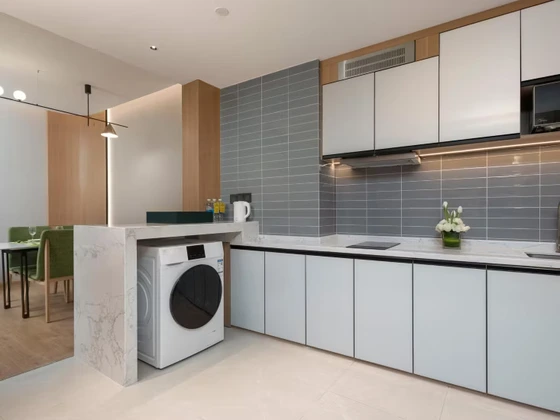
More importantly, 87 suites have kitchens.
Some accommodation also includes cooking facilities and in-room washing machines, while the property has communal laundry facilities as well.
That is a genuinely practical concept.
InterContinental or Holiday Inn & Suites?
The two hotels may share the same complex, but they have noticeably different personalities.
InterContinental Wuhan feels more luxurious and more business-oriented.
Holiday Inn & Suites Wuhan International Expo feels more practical and residential.
Both are contemporary.
Both are comfortable.
Both are family-friendly.
The difference becomes clearer when considering the length and purpose of the trip.
For a short stay, I would choose InterContinental Wuhan. The overall experience feels classier, and the Premium Riverview Suite provides an especially memorable stay.
For a longer stay, Holiday Inn & Suites becomes very attractive. Cooking facilities, laundry options and generous room sizes make it more convenient for guests who want something closer to a home base.
It is also likely to appeal to travellers looking for a more economical option within the same convention complex.
The biggest distinction is not simply price. It is how the room is designed to be used.
Holiday Inn & Suites Wuhan International Expo feels more residential. Selected suites include kitchen facilities, generous living space and laundry amenities, making the hotel particularly practical for longer stays.
That could make a significant difference to families, project teams and business travellers spending a week or more in Wuhan.
In other words, InterContinental is where I would choose to stay, while Holiday Inn & Suites is where I could more easily imagine living for a while.
Location: Not Central, but Surprisingly Convenient
There is one caveat.
This is not central Wuhan.
For conference and exhibition travellers, the location is an advantage. For travellers prioritising central Wuhan’s shopping and nightlife, it is less ideal.
However, I did not find that to be a major disadvantage during my stay.
Getting a Didi was easy, and the complex itself is substantial enough that I found plenty to explore without needing to leave.
I even walked as far as the Yangtze riverbank to experience the river itself.
For a traveller attending an exhibition or conference, the location is particularly convenient.
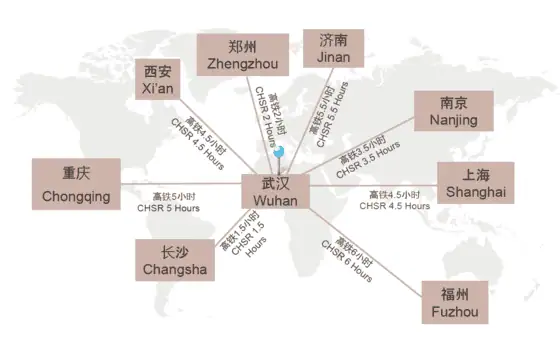
The hotels are around an eight-minute walk from Expo Center North Station on Metro Line 6, while the hotel presentations place Hankou and Wuchang railway stations around 35 minutes away by car and Wuhan High-Speed Railway Station around 40 minutes away.
Traffic can still be an issue in a city as large as Wuhan, of course. But around the Expo complex itself, I did not encounter the kind of congestion that would make the location frustrating.
What I Loved Most
After staying at InterContinental Wuhan and touring the entire complex, three things stand out.
1. The Scale
The sheer size of the hotel and convention complex is spectacular.
It is not simply a big hotel. It is a destination in itself.
2. The Premium Riverview Suite
The combination of space, two balconies, a comfortable bed, excellent sleep quality and the Yangtze River view made the suite memorable.
The night-time view of Yangsigang Bridge was particularly impressive.
3. The Complete Ecosystem
The combination of two hotels, extensive dining facilities and an enormous convention centre creates a level of convenience that is difficult to replicate.
For major events, that is the real competitive advantage.
The Yangtze River is within easy reach of the integrated hotel and convention complex
What Could Be Better?
There was little to fault in the suite during my stay. The considerations are more about the character and location of the property than the quality of the hotel itself.
First, this is a very large convention-oriented complex. The lobby and public areas can become busy when major events are taking place, so guests looking for a small, intimate hotel atmosphere may prefer a different type of property.
Second, the hotel is located away from Wuhan’s traditional central commercial districts. Didi makes getting around easy, and Metro Line 6 provides another option, but travellers primarily interested in shopping, nightlife and exploring central Wuhan on foot should take this into account.
Finally, Han Café is designed for volume as much as for variety. Its considerable size makes it particularly effective for serving conference groups, although guests looking for a more intimate breakfast setting may prefer one of the hotel’s quieter dining spaces.
Who Should Stay Here?
The interesting thing about this complex is that almost everyone can find a reason to stay — but not necessarily at the same hotel.
InterContinental Wuhan is best for:
- Business travellers
- Executives and VIPs
- Luxury travellers
- Conference delegates
- Short stays
- Couples seeking a spacious river-view room
- Travellers who value Club InterContinental
- Guests who want a more polished hotel experience
Holiday Inn & Suites Wuhan International Expo is best for:
- Families
- Longer stays
- Extended business trips
- Guests who want kitchen facilities
- Travellers who value laundry facilities
- Conference delegates seeking greater practicality
- Guests looking for a more economical option within the complex
Both hotels work particularly well for:
- Major conferences
- Exhibitions
- Medical and trade events
- Corporate meetings
- Weddings
- Large group travel
Which hotel should you choose?
| InterContinental Wuhan | Holiday Inn & Suites Wuhan | |
|---|---|---|
| Best for | Luxury & business | Longer stays & families |
| Atmosphere | More polished & formal | More relaxed & practical |
| Room experience | Spacious & luxurious | Spacious & residential |
| River views | Excellent | Excellent |
| Kitchen | No | Selected suites |
| Laundry | Standard hotel service | More practical facilities |
| Best stay length | Shorter stays | Longer stays |
| My pick | Short business/leisure stay | Extended stay |
For a short stay, I’d choose InterContinental Wuhan. For a longer stay, Holiday Inn & Suites makes more practical sense.
Which Room Would I Book?
For my next stay, I would book a river-view room or suite again.
The Yangtze is the property’s greatest natural asset, and having a private balcony changes the experience considerably. If budget permits, the Premium Riverview Suite is particularly appealing for its generous living space and two balconies.
For a shorter stay, however, I would not consider a suite essential. The hotel’s standard rooms are already unusually spacious, and the river-view category provides the most important element: the view.
The Verdict: More Than a Convention Hotel
The obvious reason to stay at InterContinental Wuhan is its connection to Wuhan International Convention Center and Wuhan International Expo Center.
There is no dispute about that.
For exhibition and conference travellers, the sheer scale of the facilities is a major attraction. But after actually staying at the hotel, I would argue that InterContinental Wuhan deserves to be considered on its own merits.
The rooms are unusually generous in size. My Premium Riverview Suite made excellent use of that space, with two balconies and a remarkable view of the Yangtze. The bed was extremely comfortable, the room was quiet, the bathroom was spacious and well designed, and the service was consistently professional.
The river is perhaps the hotel’s greatest natural asset.
Sitting on the balcony during the day and watching the Yangtze, then seeing Yangsigang Bridge illuminated at night, gives the stay an identity that a conventional convention hotel cannot easily reproduce.
Holiday Inn & Suites Wuhan International offers a different proposition in the same destination. It is less formal and less luxurious, but its spacious rooms, kitchen-equipped suites and laundry facilities make it a practical choice for longer stays. Its strength lies in space and convenience, with an apartment-like feel that works particularly well for families and extended business trips.
That difference is what makes the two hotels work so well together.
InterContinental Wuhan delivers the more polished and luxurious experience, while Holiday Inn & Suites focuses on practicality. Connecting both to one enormous convention destination makes the complex considerably more versatile than either hotel might appear individually.
Travellers whose priority is central-city shopping, nightlife and a walkable urban neighbourhood may prefer a hotel closer to central Wuhan. But for those who value space, river views, extensive facilities and easy access to major events, the location becomes an advantage rather than a compromise.
For business travellers, families, conference delegates and guests who simply appreciate having plenty of space, there is a lot to like.
InterContinental Wuhan is not trying to be a boutique hotel, and it should not be judged as one. It is a grand-scale urban hotel designed to handle major events while still giving individual guests unusually generous rooms, strong dining and leisure facilities, and a remarkable relationship with the Yangtze.
Its location will not suit everyone, and the complex can become busy when major events are underway. But those are natural consequences of what the property is designed to do.
For me, the real surprise was that beneath all that scale, the hotel could still feel comfortable and personal where it mattered most — inside the room.
My three words for the experience?
Big. Comfortable. Spectacular.
And the most memorable part?
Not the ballroom.
Not the lobby.
Not even the sheer scale of the complex.
It was sitting on the balcony of my Premium Riverview Suite, looking across the Yangtze River and watching Wuhan’s bridges light up after dark.
That moment, more than anything else, reminded me that InterContinental Wuhan is not merely a hotel attached to a convention centre. It is a hotel with a genuine sense of place.
Yes, the convention centre is enormous. But don’t stay at InterContinental Wuhan merely because you have a conference there. The hotel itself — particularly the spacious rooms, balconies and Yangtze River views — is worth experiencing.
Related Coverage
Fuat Koroglu on Leadership, Luxury and the Future of InterContinental Wuhan
Holiday Inn signs 24 new hotels in Greater China, strengthening regional expansion
Check out our full archive of travel reviews for honest opinions on hotels, resorts and experiences.
