This article contains affiliate links. We may earn a commission at no extra cost to you.
The Philippines is accelerating its push to become one of Asia’s leading Muslim-friendly travel destinations as global demand for halal tourism continues to rise. Backed by new hospitality initiatives, halal-certified services, and stronger regional partnerships, the country is positioning itself to attract more travelers from the Middle East and neighboring Muslim-majority markets.
The move comes as the Philippines gains wider recognition in the Muslim travel sector. The country recently ranked eighth among non-OIC destinations in the 2025 Global Muslim Travel Index (GMTI), highlighting growing international awareness of its halal-friendly tourism offerings.
Key Facts
- Destination: Philippines
- Tourism Focus: Muslim-friendly and halal tourism
- Recognition: Ranked 8th among non-OIC destinations in GMTI 2025
- Accommodation Growth: 67 recognized Muslim-Friendly Accommodation Establishments
- Key Highlight: Expansion of halal dining, prayer facilities, and culturally aware tourism services
Key Takeaways
- Muslim-friendly tourism is growing rapidly across the Philippines.
- Boracay continues expanding halal-friendly beach tourism offerings.
- More hotels and restaurants are pursuing halal certification.
- The Philippines is targeting Middle Eastern travel markets aggressively.
- Halal tourism is becoming a major Southeast Asian travel trend.
What Is Driving the Philippines’ Muslim-Friendly Tourism Growth?
The Philippines has spent recent years expanding halal tourism infrastructure across its major destinations. Government-led initiatives are now encouraging hotels, restaurants, and tourism operators to adapt services for Muslim travelers.
The country’s Department of Tourism continues rolling out its Muslim-Friendly Accommodation Establishment (MFAE) Recognition Program. So far, 67 tourism properties nationwide have received recognition under the initiative.
One of the biggest developments comes from Megaworld Hotels & Resorts, which became the first hotel chain in the country to achieve full MFAE recognition across all of its properties.
The expansion reflects broader changes happening across Southeast Asia, where destinations are increasingly competing for the fast-growing halal travel market.
Why Does This Matter for Travelers?
Muslim travelers visiting the Philippines now have access to a wider range of halal-certified dining venues, prayer facilities, and culturally sensitive tourism services than in previous years.
Popular tourism hubs including Boracay, Cebu, Davao City, Cagayan de Oro, and Metro Manila continue adding more halal-friendly tourism facilities.
Boracay’s “Marhaba Boracay” initiative has become one of the country’s most visible projects. The program includes a dedicated beach cove designed for Muslim families, reflecting how destinations are creating more inclusive resort experiences.
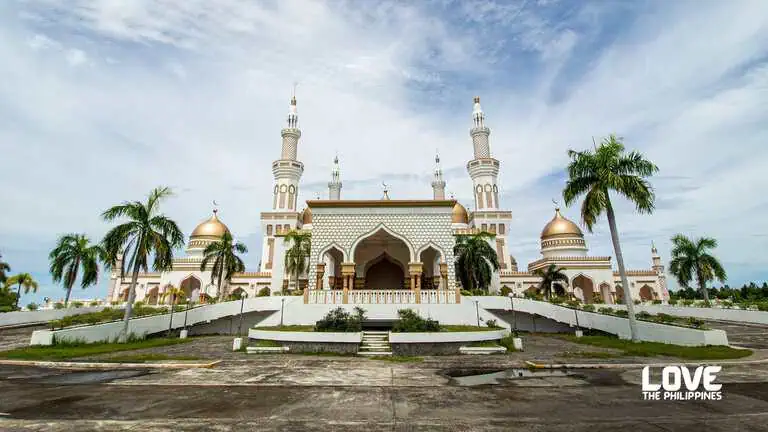
Travelers can also explore Islamic heritage sites across Mindanao alongside traditional island tourism experiences, giving the Philippines a more diverse tourism profile beyond beaches alone.
How Is the Philippines Competing in the Halal Travel Market?
The Philippines is strengthening tourism ties with neighboring Muslim-majority countries including Brunei, Indonesia, and Malaysia through regional cooperation under the BIMP-EAGA framework.
At the same time, the country is increasing promotions in Middle Eastern markets where outbound halal travel demand continues growing steadily.
The Department of Tourism has also invested in workforce training programs focused on halal awareness and culturally respectful hospitality. Around 3,000 tourism workers and frontliners nationwide have reportedly undergone specialized training.
Improved air connectivity into gateways such as Manila, Cebu, and Clark is further supporting multi-destination travel across the archipelago.
About the Destination
The Philippines remains one of Southeast Asia’s largest island tourism destinations, known for its beaches, diving spots, marine biodiversity, and cultural diversity. Destinations such as Boracay, Palawan, Cebu, and Siargao continue attracting strong international visitor demand.
As travelers increasingly seek inclusive and culturally adaptable travel experiences, the Philippines is positioning halal tourism as a long-term growth segment alongside luxury resorts, eco-tourism, and island tourism.
Industry Insight
Halal tourism is emerging as one of the fastest-growing sectors in global travel, particularly across Asia-Pacific destinations competing for Middle Eastern travelers. Countries across Southeast Asia are investing heavily in Muslim-friendly infrastructure as travel patterns diversify beyond traditional leisure markets.
For travelers, this trend means improved accessibility, broader dining choices, and more culturally inclusive travel experiences. For tourism businesses, halal-friendly certification is increasingly becoming a competitive advantage rather than a niche offering.
Check Availability and Travel Tools
Travelers planning trips to the Philippines should compare hotel and flight prices across platforms including:
- Compare hotel prices on Trip.com
- Book hotels on Booking.com
- Find hotel deals on Agoda
- Search hotel deals on Expedia
- Explore tours and travel experiences on Klook
For travel gear, exclusive reader offers and travel essentials, readers can also explore Travel Recommended Products.
This actionable health-tracking device Ultrahuman Smart Ring is also featured in our curated travel gear recommendations for frequent travelers.

Related Coverage
Travelers interested in this story may also enjoy:
Agoda Reveals Top Repeat Travel Destinations in the Philippines and Asia
The Mira Hong Kong Hosts Second Annual Ramadan Iftar Dinner to Advance Muslim-Friendly Tourism
Three Shangri-La Hotels in Hong Kong Recognised with 5-Crescent Rating
