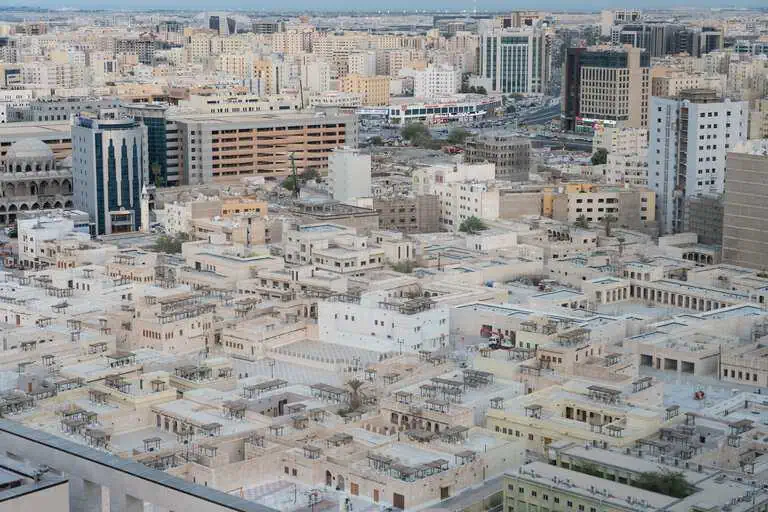
Doha offers visitors a mix of traditional neighbourhoods, cultural attractions and contemporary architecture. Along the Corniche, traditional wooden dhows cross the bay as the towers of West Bay catch the evening light. Meanwhile, Souq Waqif draws families, residents and visitors into its streets as the city settles into the evening.
As World Cities Day is marked on 31 October, Doha provides an opportunity to explore how a city’s identity develops alongside its urban transformation. Beyond its changing skyline, Qatar’s capital offers heritage sites, public spaces and cultural attractions within a relatively compact central area.
For visitors, the city also offers different ways to explore, with experiences suited to a range of budgets.
Heritage Remains Part of Everyday Life
In Doha, the city’s heritage extends beyond its museums. It remains visible in neighbourhoods that continue to serve as everyday meeting places.
At Souq Waqif, shopkeepers display spices, perfumes and traditional textiles along winding streets. Restaurants serve Qatari dishes, while visitors and residents gather over small cups of Arabic coffee.
Although the souq is a popular visitor attraction, it also remains a place for people to meet, dine and spend time together.
A short walk away, Msheireb Downtown Doha presents another perspective on the city’s development. Its contemporary buildings draw on traditional Qatari architecture. In addition, shaded streets, public squares and cultural spaces make the neighbourhood suitable for exploring on foot.
Msheireb is also home to the Msheireb Museums. Housed in restored heritage properties, the museums offer insights into the people and events that shaped Doha’s development.
Together, Souq Waqif and Msheireb provide opportunities to experience the city’s heritage, architecture and dining within one outing.
Museums, Art and Cultural Spaces
Doha’s cultural attractions offer different perspectives on Qatar’s history and artistic heritage.
At the Museum of Islamic Art, visitors can explore centuries of artistic works while enjoying views across the waterfront. Meanwhile, the National Museum of Qatar presents the country’s history through stories of its people, traditions and changing way of life.
However, cultural experiences are not limited to museums.
At Katara Cultural Village, visitors can explore galleries, performance spaces, cafés and waterfront areas. Public art installations also feature in various parts of the city.
The Corniche, Souq Waqif and Katara’s outdoor spaces provide further opportunities to experience Doha’s cultural life. Visitors can combine these activities with museum visits while keeping their itineraries flexible.
Enjoying Doha at a Slower Pace
Some of Doha’s experiences require little planning. An early walk along the Corniche, breakfast in Msheireb, an afternoon watching boats at Old Doha Port or an evening meal at Souq Waqif can all become part of a relaxed city break.
For travellers who prefer flexibility over tightly scheduled itineraries, Doha offers different ways to spend the day.
For example, a morning exploring museums and architecture can lead into an afternoon by the sea. The day can then finish with dinner in one of the city’s established neighbourhoods.
This combination of cultural attractions, waterfront spaces and dining allows visitors to shape their own schedules.
Getting to Know the City Beyond Its Skyline
Doha is often associated with its distinctive architecture and rapid urban development. Yet the city’s identity is also reflected in its everyday life: the traditions that continue, the neighbourhoods where residents gather and the public spaces that bring people together.
For South African travellers, Doha offers a city break combining cultural attractions, heritage and contemporary urban experiences. Its range of activities also allows visitors to choose an itinerary and spending level that suit their preferences.
The skyline may be the first thing visitors notice. However, exploring the neighbourhoods, cultural spaces and everyday life beneath it offers another way to understand Qatar’s capital.
Related Coverage
Doha Named GCC Tourism Capital 2026, Cementing Its Role as a Regional Tourism Hub
25N51E Music Festival Returns to Qatar in January 2026
Visit Qatar Strengthens China Tourism Strategy Through AI Partnerships with Fliggy and Huawei
Hamad International Airport Fast Pass Introduces Biometric Boarding with Qatar Airways
Qatar Airways Partners with Priority Pass to Expand Beyond Business Rewards
