Tourism Malaysia Mega FAM 2026 brought together international media, travel trade delegates and content creators for five days of immersive experiences across Kuala Lumpur, Putrajaya and Selangor. From Musang King durian and traditional Malaysian cuisine to Citrawarna 2026, eagle feeding and fireflies in Kuala Selangor, the programme offered an engaging introduction to the many faces of Malaysia.
For five days, Malaysia became more than a destination to be photographed. It became a destination to be tasted, explored and experienced.
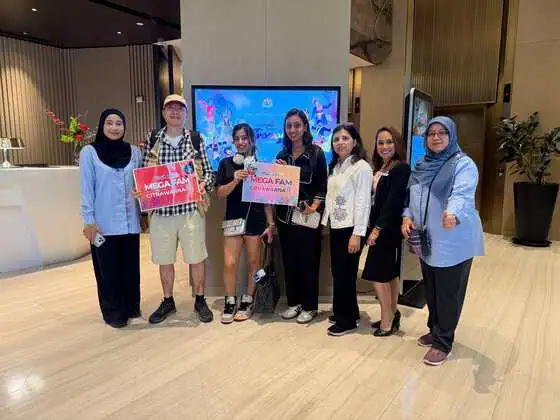
Organised by Tourism Malaysia in conjunction with Citrawarna 2026, the Mega FAM 2026 programme brought together 55 international media, travel agents, Key Opinion Leaders and Tourism Malaysia representatives from 13 Asia-Pacific markets. The programme ran from 23 to 27 July 2026 and formed part of Tourism Malaysia’s wider Visit Malaysia 2026 promotional efforts.
For participating media and trade delegates, the five-day itinerary was fast-paced. However, it was also carefully designed to demonstrate the breadth of Malaysia’s tourism offering — from urban attractions and luxury hospitality to gastronomy, cultural heritage, craft, nature and local experiences.
At a Glance
- Event: Tourism Malaysia Mega FAM 2026
- Dates: 23–27 July 2026
- Duration: Five days
- Participants: 55 international media and trade delegates
- Markets represented: 13 Asia-Pacific markets
- Destinations explored: Kuala Lumpur, Putrajaya and Kuala Selangor
- Major event: Citrawarna 2026 Launching Ceremony and Parade
- Key themes: Culture, gastronomy, heritage, nature, hospitality and Malaysian lifestyle
Day 1: A Warm Welcome to Kuala Lumpur
The Mega FAM began with arrivals at Kuala Lumpur International Airport, followed by check-in at Crowne Plaza Kuala Lumpur City Centre.
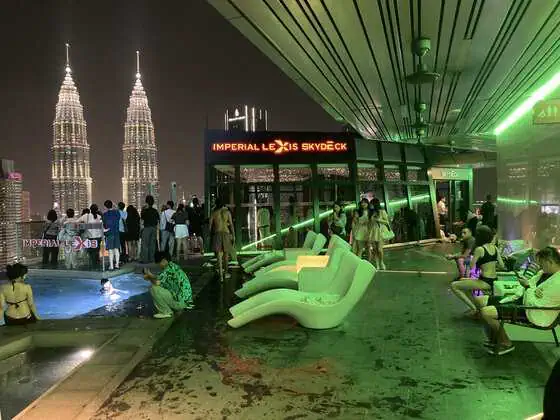
After the arrival programme, in the evening the group headed to Imperial Lexis Kuala Lumpur for a hotel tour.
The property provides a distinctly contemporary interpretation of Kuala Lumpur hospitality, with spacious accommodation and impressive city views. Its accommodation portfolio includes rooms and suites featuring private pools, while the hotel also offers several dining concepts.
The hotel visit was a useful introduction to Kuala Lumpur’s luxury hospitality scene before the group gathered for dinner at Roselle Coffee House on the hotel’s eighth floor.
After travelling and checking in, the first evening was relatively relaxed — an important opportunity for international delegates to meet one another before the busy programme began.
Day 2: Discovering Malaysia Through Durian and Heritage Cuisine
If there was one experience that immediately demonstrated how Malaysian food can become a tourism attraction in its own right, it was the visit to DSR Taiko Berhad in Bukit Tinggi, Pahang.
The group arrived at DSR Forest Orchard Café for an immersive Musang King experience, including a brand introduction, orchard discovery tour, harvest demonstration and traceability showcase.
The experience went beyond simply tasting durian.
Participants were introduced to the Musang King tree and learned more about how the fruit moves from orchard to consumer. That agricultural connection helped put the famous Malaysian durian into a wider context — as a product connected to farmers, orchards, local knowledge and regional identity.
The programme also included a sharing session with the founder and management team, followed by a media appreciation session and group photograph.
The visit was particularly relevant for international visitors who may know Malaysian durian primarily as a strong-flavoured tropical fruit. Seeing the orchard and production process offered a more complete story.
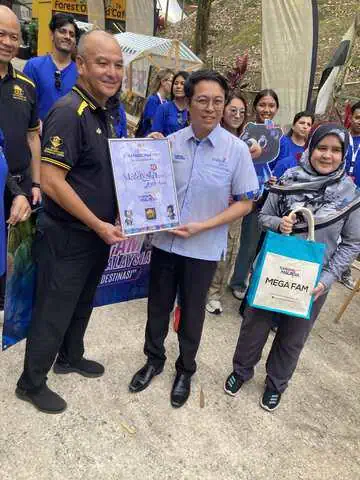
After lunch, delegates met Mr. Lee Thai Hung, Deputy Director General (Promotion II), Tourism Malaysia, before exploring the DSR product experience and durian tasting booths.
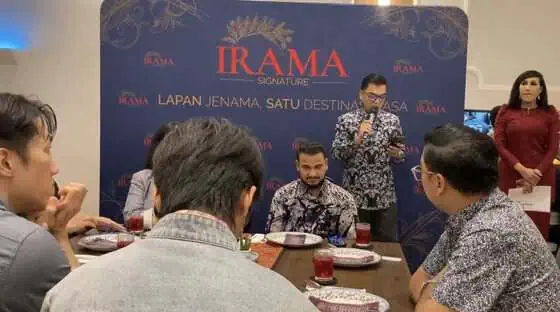
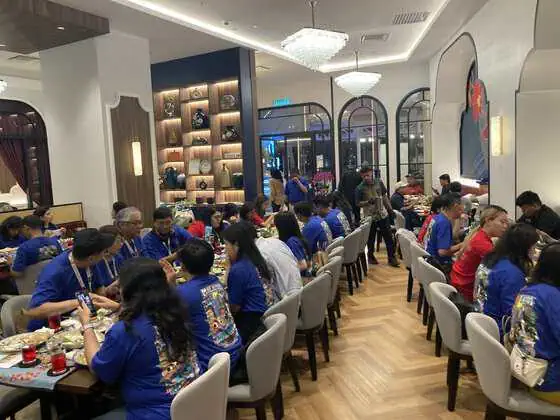
The programme then continued to Putrajaya for dinner at IRAMA Signature at IOI City Mall.
The restaurant presented another side of Malaysia’s culinary identity, bringing traditional Malay flavours into a contemporary dining environment.
It was an effective pairing with the afternoon’s durian experience: one rooted in Malaysian agriculture and another demonstrating how the country’s culinary heritage can be presented to modern diners.
Day 3: Kuala Lumpur, Craft, Chocolate and Citrawarna 2026
Day three moved the focus firmly into the heart of Kuala Lumpur.
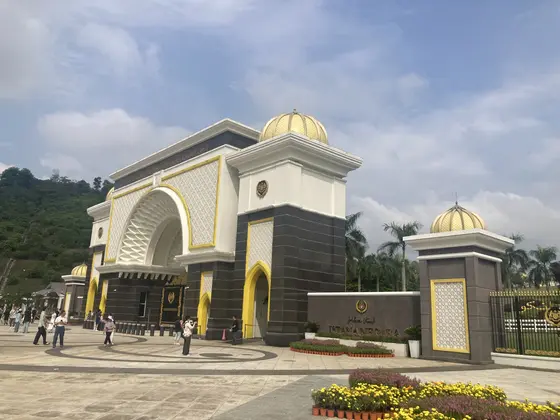
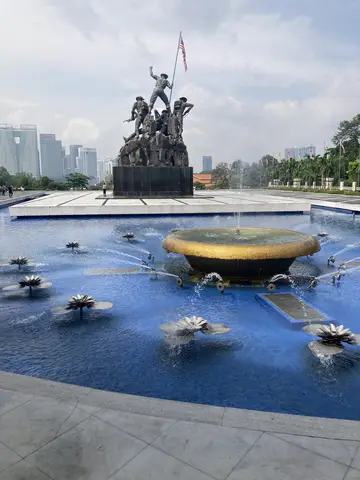
The KL Hop-On Hop-Off City Tour offered a convenient way to see some of the capital’s major landmarks, like Istana Negara and National Monument while giving international delegates a broader visual introduction to the city.
The tour was followed by visits to Harriston Boutique and Karyaneka at the Malaysia Tourism Centre (MaTiC).
Harriston offered a particularly Malaysian souvenir experience through chocolate, with flavours inspired by local ingredients and tastes.
Karyaneka, meanwhile, provided an opportunity to explore Malaysian craft and locally made products, including traditional textiles and handicrafts.
Together, the two stops demonstrated an important aspect of tourism that can sometimes be overlooked: what visitors take home matters almost as much as what they see.
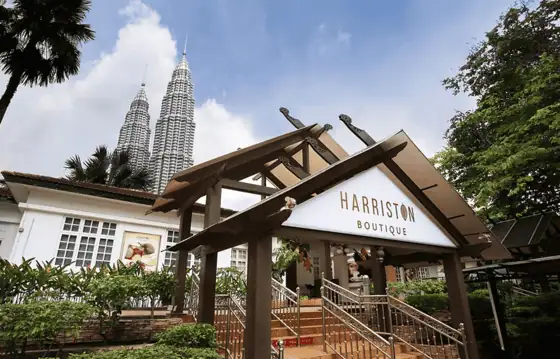
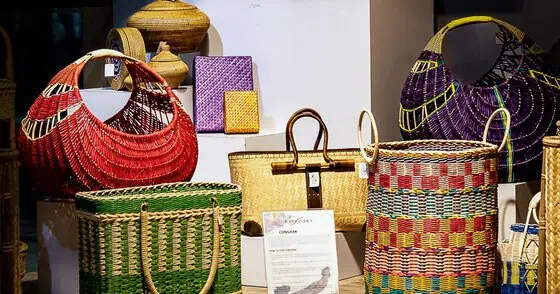
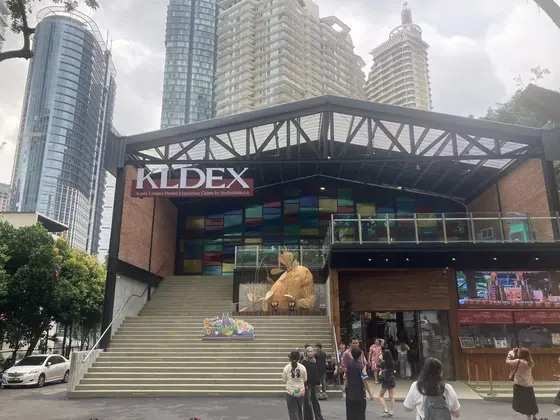
The programme then moved to the Kuala Lumpur Durian Experience Centre (KLDEX).
Here, durian was presented not simply as food but as part of Malaysian culture and heritage. The museum experience provided another perspective on the fruit, its growers and the traditions surrounding it.
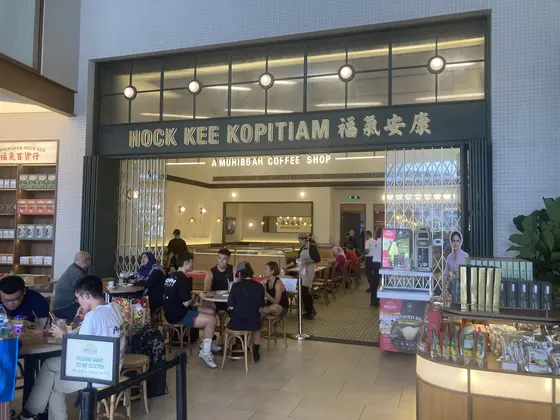
Lunch at Hock Kee Kopitiam continued the culinary theme.
A modern Nanyang kopitiam setting provided an opportunity to experience familiar Malaysian flavours, including coffee, kaya toast and local favourites, while also demonstrating how traditional kopitiam culture can be presented in a contemporary environment.
The Colours of Malaysia at Dataran Merdeka
The highlight of Day 3 was undoubtedly the Citrawarna 2026 Launching Ceremony and Parade at Dataran Merdeka.
The event brought together the colours, sounds and cultural performances of Malaysia in one major celebration.
The arrival of the Minister of Tourism, Arts and Culture and the Prime Minister of Malaysia added significance to the evening, which continued with the official launch, performances, the Colours of Parade, fireworks and Joget Lambak.
For international media delegates, this was perhaps the most visually powerful experience of the Mega FAM.
More importantly, it placed the experiences of the preceding days into a larger context.
The durian, food, crafts and urban attractions were individual pieces of the Malaysian tourism story. Citrawarna demonstrated how those different cultural elements can come together as a national celebration.
Day 4: From Waterpark Fun to Kuala Selangor’s Natural Wonders
Day four shifted away from the city and into a more leisure-oriented experience.
The morning began at SplashMania Waterpark at Gamuda Cove.
The waterpark provided a very different proposition from the cultural and gastronomy experiences of the previous days, highlighting Malaysia’s growing range of family-friendly and entertainment attractions.
After lunch, the group travelled towards Kuala Selangor.
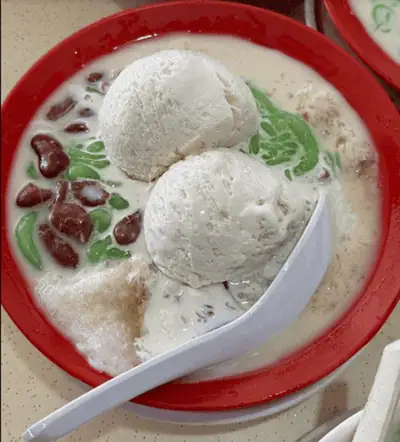
A stop at Cendol Bakar Borhan provided one of the trip’s simplest but most enjoyable food experiences.
Cendol — combining green rice-flour jelly, coconut milk and palm sugar syrup — is one of Malaysia’s classic desserts. Adding durian made the experience even more distinctly Malaysian.
Eagle Feeding at Kuala Selangor
The afternoon became increasingly connected to nature.
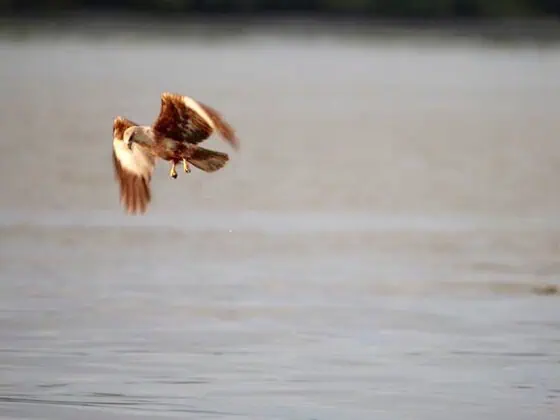
At Sky Mirror Kuala Selangor, delegates took part in an eagle-feeding experience, observing Brahminy Kites and White-bellied Sea Eagles around the river.
The activity offered a welcome change of pace after several busy days in Kuala Lumpur.
Instead of buildings, shopping and cultural attractions, the focus was now on wildlife and the natural environment.
Then came the fireflies.
As darkness fell, the group boarded boats for a river cruise through Kuala Selangor’s mangrove environment.
Watching fireflies illuminate the trees after sunset was one of the most memorable moments of the Mega FAM.
There was little need for elaborate entertainment. The attraction was the natural spectacle itself — a quiet river, the darkness of the mangroves and thousands of tiny flashes of light.
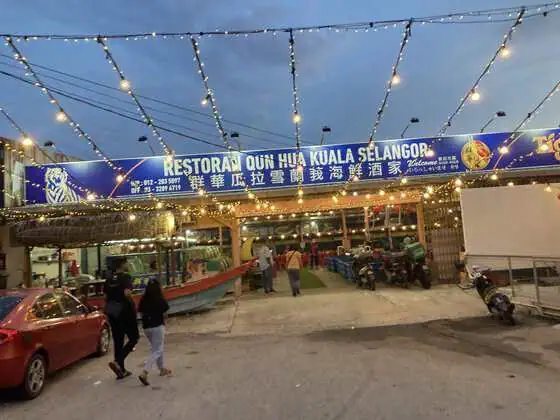
Dinner at Qun Hua Seafood Restaurant followed, bringing the day back to Malaysian gastronomy with fresh seafood in a waterfront setting.
The long day concluded with supper at Pelita Nasi Kandar at MaTiC.
Day 5: A Taste of Malaysia Before Departure
The final day was intentionally slower.
Following check-out, delegates enjoyed lunch at Rebung Chef Ismail 2, where traditional Malaysian dishes were presented under the direction of celebrity chef Dato’ Chef Ismail.
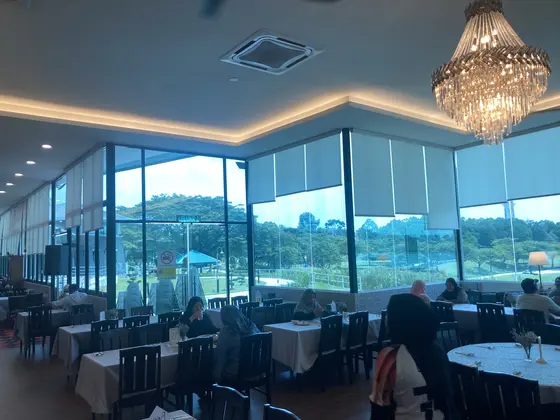
It was an appropriate final meal for a programme that had consistently used food as a gateway to Malaysian culture.
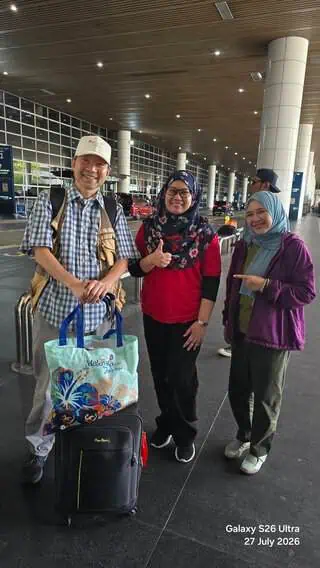
After lunch, delegates departed for their respective home countries.
Five days had passed quickly, but the itinerary had covered an impressive amount of ground.
What Makes the Tourism Malaysia Mega FAM 2026 Stand Out?
The strongest aspect of the Mega FAM was its diversity.
This was not simply a Kuala Lumpur sightseeing programme.
Instead, Tourism Malaysia combined several different tourism products into one itinerary:
Luxury hospitality through the hotel experience at Imperial Lexis Kuala Lumpur.
Gastronomy through durian, Malay heritage cuisine, kopitiam food, cendol, seafood and nasi kandar.
Culture and heritage through Karyaneka, KLDEX and Citrawarna.
Urban tourism through Kuala Lumpur’s landmarks and the KL Hop-On Hop-Off tour.
Family entertainment through SplashMania.
Nature and wildlife through the eagle-feeding experience and Kuala Selangor firefly cruise.
This diversity is perhaps the biggest takeaway from the programme.
Malaysia does not need to rely on a single tourism attraction. Its strength is the ability to connect food, culture, nature, shopping, hospitality and entertainment within one relatively compact journey.
A Strong Gastronomy Story
Food was arguably the connecting thread throughout the Mega FAM.
The programme did not treat gastronomy simply as something to eat between sightseeing stops.
Instead, food was part of the destination story.
Durian was connected to agriculture and the orchard. Traditional Malay cuisine was connected to heritage. Kopitiam food was connected to everyday Malaysian culture. Cendol demonstrated the country’s dessert tradition, while seafood and nasi kandar offered further glimpses into Malaysia’s diverse dining culture.
For international media and travel professionals, this is an effective way to demonstrate why Malaysian food can itself be a reason to visit.
The Human Side of Tourism
Another strength was the opportunity to meet people behind Malaysia’s tourism products.
The DSR Taiko programme, for example, included interaction with the management team and a sharing session. The Mega FAM itself also created opportunities for international delegates to meet Tourism Malaysia representatives and tourism businesses.
Tourism is ultimately about people.
Meeting destination marketers, hotel representatives, restaurateurs, tourism operators and local businesses adds depth to what might otherwise be just another sightseeing itinerary.
The Verdict
Tourism Malaysia Mega FAM 2026 was a well-rounded introduction to Malaysia that successfully connected culture, gastronomy, nature and modern tourism experiences.
The itinerary was undeniably busy. Five days covering Kuala Lumpur, Putrajaya and Kuala Selangor involved plenty of movement and a long list of activities.
Yet the pace also demonstrated just how much Malaysia can offer within a relatively short trip.
The most memorable moments were not necessarily the biggest attractions. The Musang King orchard experience, a bowl of cendol, the flavours of a Malaysian kopitiam, an eagle swooping over the river and fireflies lighting up the mangroves all contributed to a stronger sense of place.
And then there was Citrawarna 2026, providing a spectacular cultural finale that brought the many colours of Malaysia together.
For international visitors, the Mega FAM offered a clear message: Malaysia is not one experience. It is a collection of experiences — and the most rewarding journey comes from putting them together.
As Visit Malaysia 2026 moves towards its concluding phase, the Mega FAM demonstrated why Malaysia has a compelling tourism story to tell to international travellers.
For those who have only experienced Kuala Lumpur as a short city break, there is clearly much more to discover.
10 Things to Know About Tourism Malaysia Mega FAM 2026
- The Mega FAM ran from 23 to 27 July 2026.
- It welcomed 55 international media and trade delegates.
- Participants represented 13 Asia-Pacific markets.
- The programme was organised in conjunction with Citrawarna 2026.
- DSR Taiko provided an immersive introduction to Musang King durian.
- Kuala Lumpur experiences included city sightseeing, chocolate, Malaysian crafts and the KL Durian Experience Centre.
- Citrawarna 2026 provided the programme’s major cultural highlight at Dataran Merdeka.
- Kuala Selangor introduced delegates to eagle feeding and firefly watching.
- Gastronomy was a central theme throughout the five-day programme.
- The overall programme demonstrated Malaysia’s combination of culture, heritage, food, nature, entertainment and hospitality.
Final Thoughts
The Tourism Malaysia Mega FAM 2026 was more than a familiarisation trip.
It was a concentrated showcase of the experiences that make Malaysia distinctive — from the world-famous Musang King and heritage cuisine to cultural celebrations, modern attractions and the natural beauty of Kuala Selangor.
Most importantly, the programme demonstrated that Malaysia’s tourism appeal lies in its variety.
Come for the food. Stay for the culture. Explore the nature. And discover the many colours of Malaysia.
Related Coverage
CITRAWARNA 2026 Parades About to Begin
Interview: Lee Thai Hung Samuel: Malaysia Wants Travellers to Stay Longer and Explore Further
Malaysia Expands China Tourism Push at ITB China 2026
Tourism Malaysia Showcases Nation’s Tourism Strength at ITB China 2025
